Go to the content
  • About us
EN
Français Nederlands Deutsch
  • Home
  • Museum
  • Science
  • Discover & Join
  • Companies & Organisations
Institute of Natural Sciences
Tickets & Reservations
  • Home
  • Museum Museum
    • Exhibitions & Activities
    • Practical information
    • Schools
    • Educational tools
    • Exposition rental
    • Venue hire
    • News
  • Science Science
    • Research
    • Collections & Data
    • Policy support
    • Services & Expertise
    • Library
    • Publications
    • News
    • Archives
  • Discover & Join Discover & Join
    • Discover
    • Citizen Science
    • Donations
    • Friends of the Institute
    • Social media wall
  • Companies & Organisations Companies & Organisations
    • Venue rentals
    • Exhibition rentals
    • Services & Expertise
    • Sponsoring & Partnerships
  • About us About us
    • Our history
    • Governance
    • Missions & Vision
    • Organisational chart
    • Staff
    • Network & Partnerships
    • Treaties & Conventions
    • Jobs
  • News
  • Press
  • EN
  • FR
  • NL
  • DE
  • Facebook
  • Instagram
  • Bluesky
  • YouTube
  • Linkedin
  • Research
  • Collections & Data
  • Policy support
  • Services & Expertise
  • Library
  • Publications
  • News
  • Archives
  • More
  1. Science
  2. Archives
  3. 2016

2016

20/09/2016

XperiBIRD.be: pupils observe nest boxes with camera and help scientists in the process

09/02/2016

Oldest Carnivoran Mammal of Europe Discovered

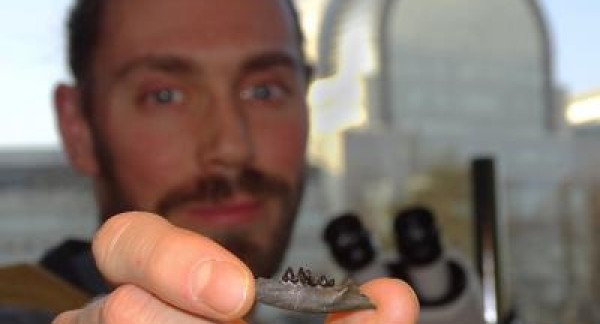
Researchers of our Institute have described the oldest mammalian predator of Europe. Vassacyon prieuri from Northern France is 57 million years old and is considered the earliest ancestor of modern-day cats and dogs. “The fossil exemplifies the early flourishing of carnivoran mammals on our continent after the dinosaurs became extinct”, says RBINS palaeontologist Floréal Solé, who collaborated with Romanian and French colleagues.

04/02/2016

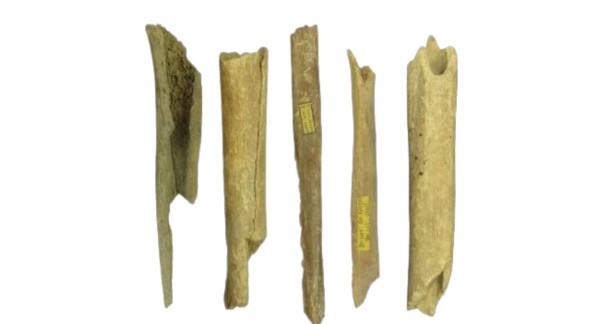
European Humans Underwent Hefty Shuffle at the End of Last Ice Age

European populations changed dramatically at the end of the last Ice Age. This is what scientists have revealed as a result of DNA analysis of more than thirty fossils from six countries. Moreover, the genetic material of Belgian fossils indicates that the modern humans have migrated from Africa straight to Europe without making a detour through Asia, which was originally thought.

21/01/2016

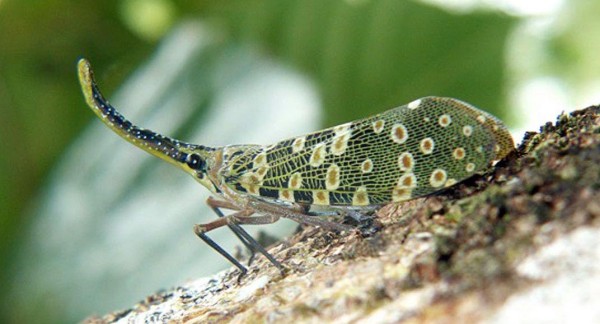
Facebook Users Help Inventorize Cambodian Lanternflies

Leden van de Facebookgroep ‘Natural Cambodia’ hebben wetenschappers geholpen bij het documenteren van zeventien soorten lantaarndragers.
Bringing nature into everyone’s life

Museum

  • Exhibitions & Activities
  • Practical information
  • Schools
  • Educational tools
  • Exposition rental
  • Venue hire
  • News

Science

  • Research
  • Collections & Data
  • Policy support
  • Services & Expertise
  • Library
  • Publications
  • News
  • Archives

Discover & Join

  • Discover
  • Citizen Science
  • Donations
  • Friends of the Institute
  • Social media wall

Companies & Organisations

  • Venue rentals
  • Exhibition rentals
  • Services & Expertise
  • Sponsoring & Partnerships

About us

  • Our history
  • Governance
  • Missions & Vision
  • Organisational chart
  • Staff
  • Network & Partnerships
  • Treaties & Conventions
  • Jobs
  • News
  • Press
  • Accessibility statement
  • Privacy
  • Conditions for re-use
  • Cookie Policy
  • Social media wall policy
  • Facebook
  • Instagram
  • Bluesky
  • YouTube
  • Linkedin
  • belspo
  • .be
Back to top

We use cookies to help make this website more user-friendly.

More information × I understand