Pupils Help to Describe a New Stick Insect Species
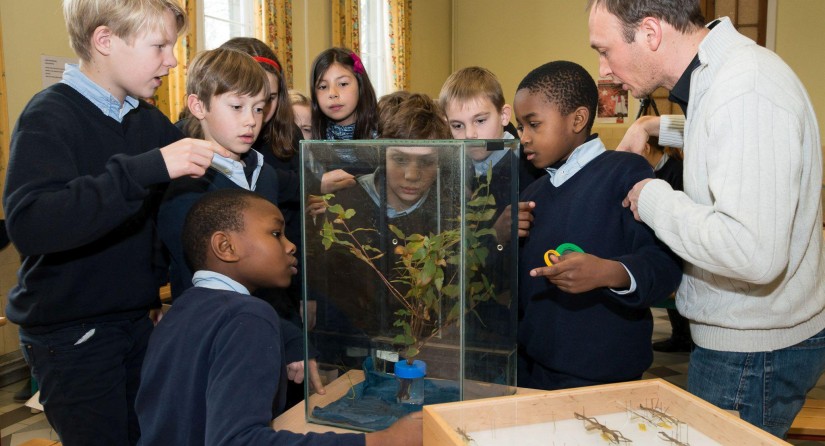
A new species of phasmids is going to be observed, described and named by children from 3 primary classes in Brussels and Namur (Belgium).
Three primary school classes in Woluwe-Saint-Lambert, Molenbeek, and Namur have recently welcomed new arrivals: stick insects from Cambodia belonging to a species that has not yet been described. For nearly two months, the students will observe and describe the different stages of growth and the behavior of these “masters of camouflage,” and photograph them. Jérôme Constant and Joachim Bresseel, two entomologists from the Royal Belgian Institute of Natural Sciences (RBINS), will include these observations in the scientific article in which several species from Vietnam will be described. In addition, the students will be able to choose the scientific name of this new species belonging to the genus Lopaphus.
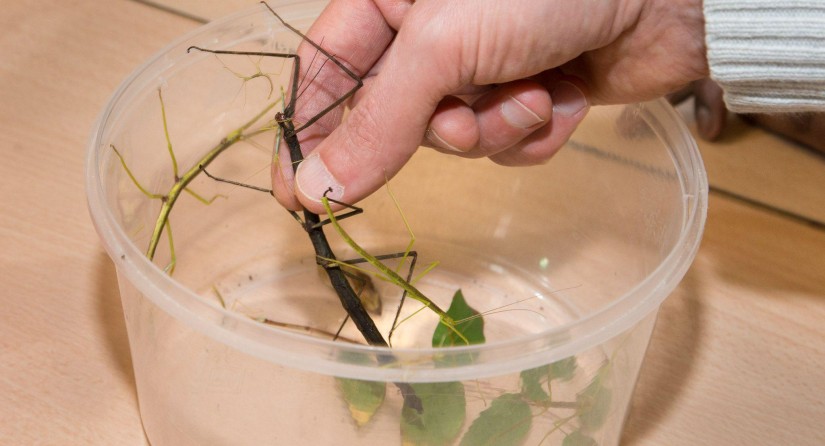
"We wanted to include children in an interactive science project that would allow them to discover and experience first hand how biologists work" explains Jérôme Constant, biologist at the Royal Belgian Institute of Natural Sciences (RBINS). For 2 months, the children will observe, describe and photograph the different stages of growth and the behavior of the stick-insects within their classrooms. The phasmatodeas, discovered in Cambodia and belonging to an as-yet undescribed species, will make themselves at home in terrariums installed specially for this project.

When installing the terrariums in the 3 classrooms, Jérôme Constant and his colleague Joachim Bresseel also gave the children a beginners' class in taxonomy and entomology. At the end of the project, Constant and Bresseel will include the children's observations in a scientific article describing several species from Cambodia and Vietnam. Last year, Constant and Bresseel made the news for describing the 2nd largest living insect on the planet (Phryganistria heusii yentuensis).
And to cap it all, the children will get to choose the scientific name of the new species which belong to the Lopaphus genus. The 3 primary classes will be invited to the Museum of the Royal Belgian Institute of Natural Sciences where they'll get to visit the vivarium, discover the insect collections of RBINS (17 million specimens) and get a guided tour of areas normally closed to the general public such as the laboratories. On that special day, they will vote to select the name of the new species among a list of propositions established by Jérôme Constant and Joachim Bresseel.
"We will try to get the children to understand how describing new species and their ecosystems can contribute to protect biodiversity. We would like them to realise that almost 80% of insect species remain unknown. And of course, we hope to pass on a some of our passion."