Cutting or grinding? New study reveals hidden trade-off in mammalian teeth
Mammalian teeth are usually optimized for either cutting or grinding, but rarely for both at the same time. This is the conclusion of a new study to which Melvin Vankelst from the Royal Belgian Institute of Natural Sciences and the University of Liège (ULiège) contributed. “The combination of optimal cutting and grinding performance turns out to be exceptionnaly rare” says Melvin Vankelst.
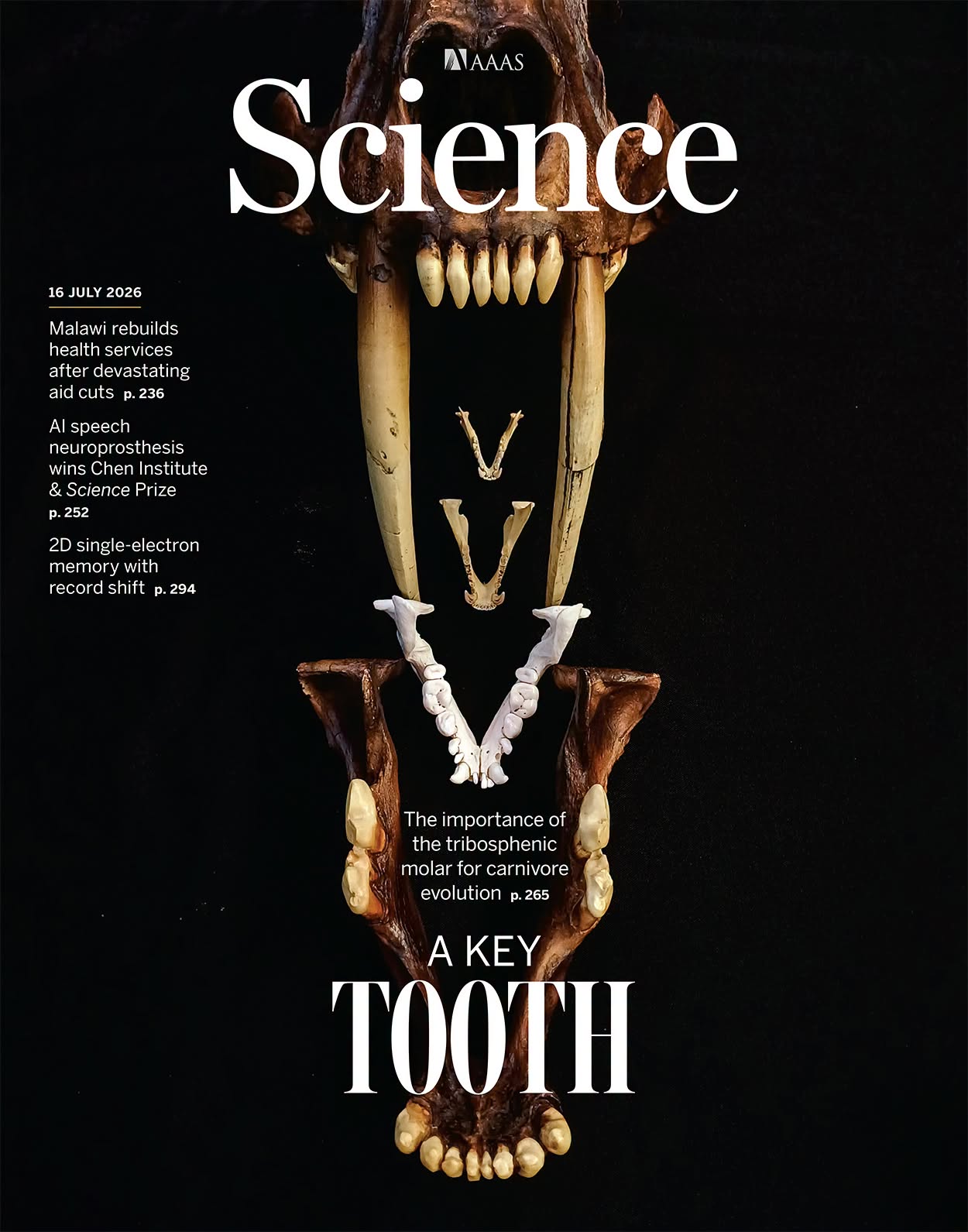
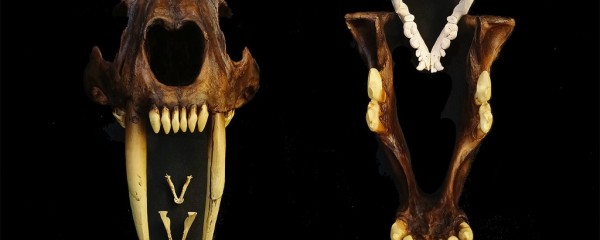
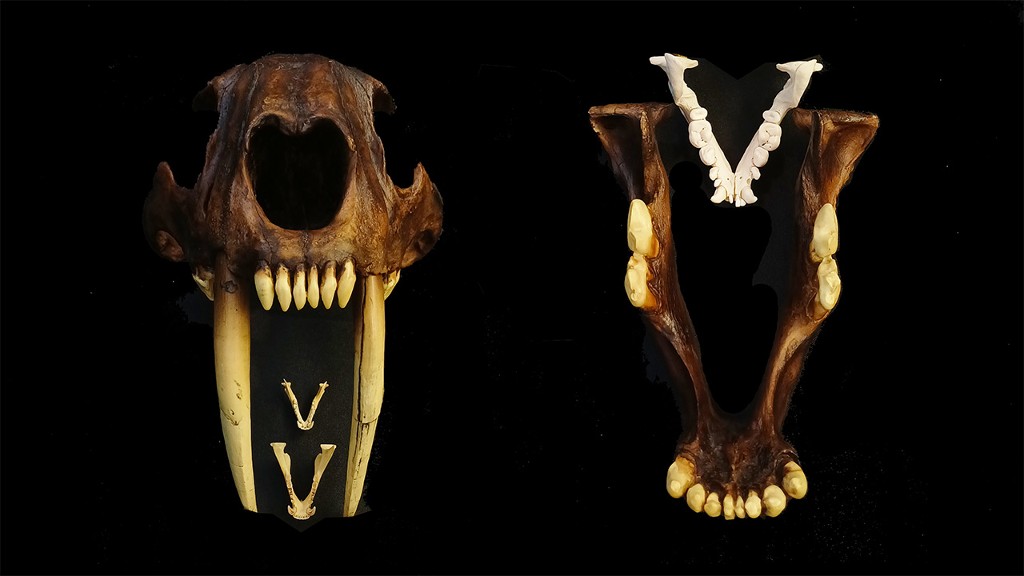
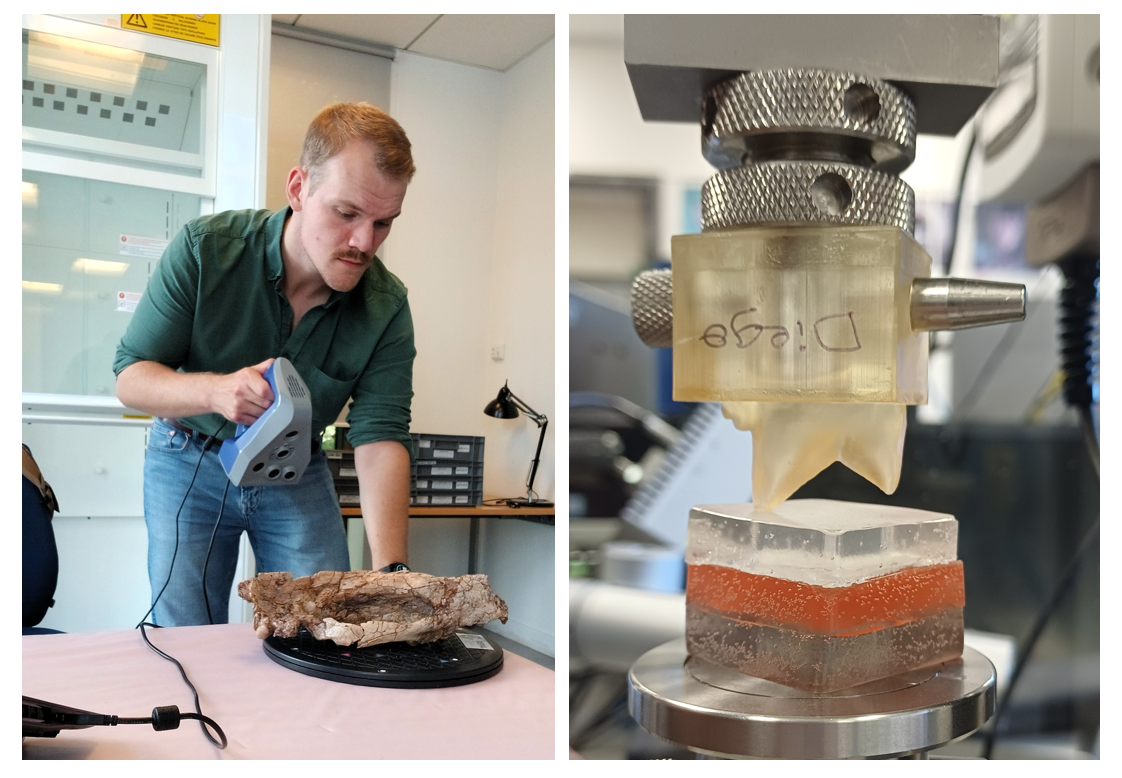
The study was published in the journal Science and was also featured on the cover of the issue. Using 3D models and experimental tests, the researchers investigated how the lower carnassial molar, a characteristic tooth of carnivorous mammals, functions. This tooth has long been regarded as one of the most important innovations in mammalian evolution.
However, the results show that this seemingly versatile tooth comes with a fundamental evolutionary trade-off. “Our study shows that even evolutionary success stories have their limitations, and that those limitations can have a major impact on how species continue to evolve,” says Melvin Vankelst.
A tooth with limits
Using mechanical test ran on dozens of carnassial teeth, they mapped how different tooth shapes perform in cutting and crushing. They found that efficient cutting performance is possible only within a limited range of tooth shapes. Crushing, on the other hand, can be performed successfully by a much wider variety of shapes. “There are many evolutionary solutions for grinding, but remarkably few for truly efficient cutting,” says Vankelst.
Specialists rather than generalists
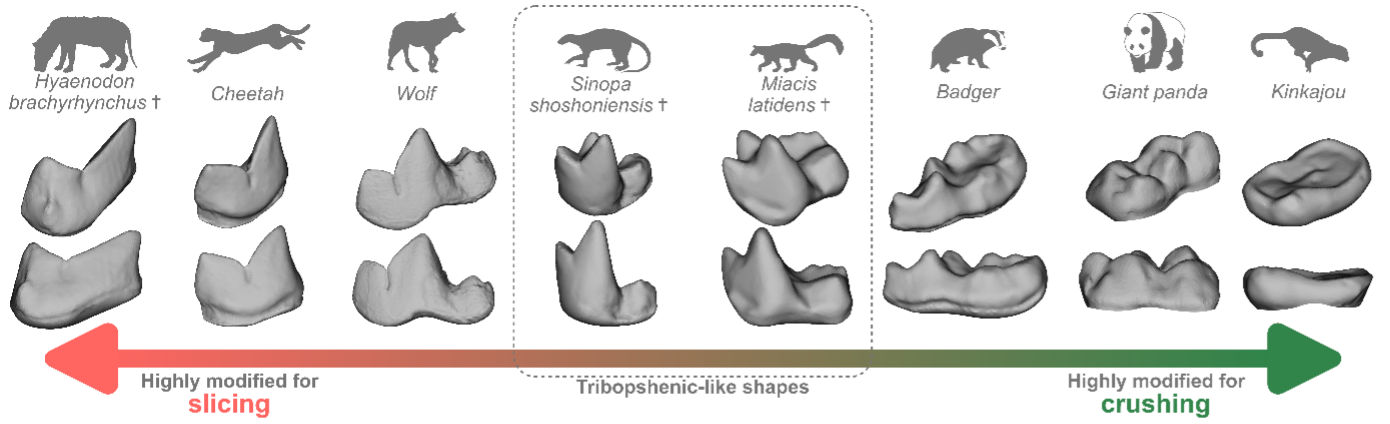
The researchers discovered that fewer than one percent of the carnivorous mammals examined possess teeth that are optimal for both cutting and grinding. This highlights just how rare an optimized compromise of both functions is. In practice, species tend to specialize. Some evolve teeth that excel at slicing food, while others develop tooth shapes better suited for crushing and grinding. “The perfect all-rounder is rare in nature. Optimal efficiency often requires trade-off,” explains Melvin Vankelst.
A key to mammalian diversity
According to the researchers, this trade-off likely played an important role in the remarkable diversification of mammals. The constraints imposed by tooth architecture steered different evolutionary lineages in different directions, leading to distinct feeding strategies.
As a result, highly specialized carnivores evolved with exceptionally sharp, cutting teeth, while other species developed alternative dental functions that allowed them to exploit a more varied diet. “Our results show how a major innovation not only creates new opportunities, but also helps determine which evolutionary pathways remain open and which become closed,” concludes Dr. Narimane Chatar, lead author of the study.
The paper was published in the journal Science.