News
Science
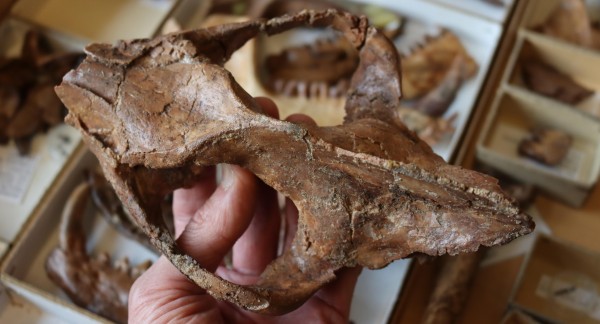
Mammals put brawn before brains to survive post-dinosaur world
31/03/2022
Prehistoric mammals bulked up, rather than develop bigger brains, to boost their survival chances once dinosaurs had become extinct, research suggests.

Science
Video 'Expedition Inkanamongo' - In search of the source of zoonoses in DR Congo
25/03/2022
Biologist Nicolas Laurent and his research team go on an expedition to the Democratic Republic of Congo, to the remote village of Inkanamongo.
Science
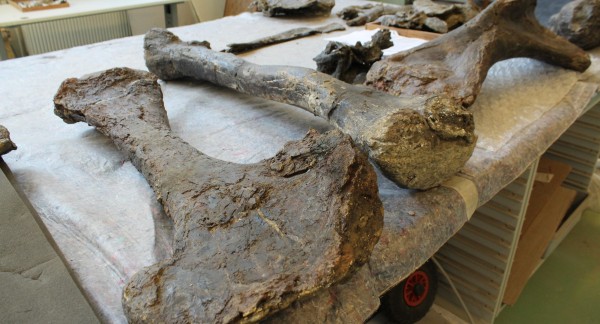
Extraordinary addition to our collections: long-necked dinosaur 'Dan'
09/03/2022
The nearly complete skeleton of a large, 20-meter-long herbivorous long-necked dinosaur, acquired in 2019, has arrived at the Institute of Natural Sciences.
Science
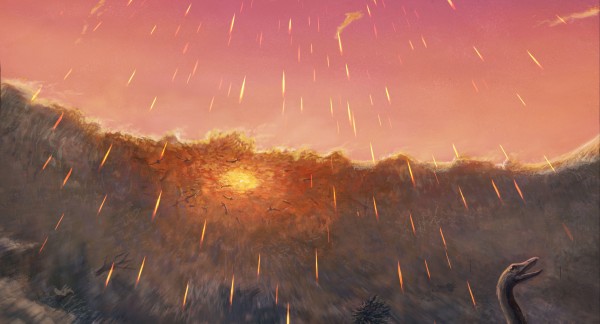
Reign of the dinosaurs ended in spring
23/02/2022
An international team of researchers has discovered that the asteroid that wiped out almost all the dinosaurs came down in spring. This is indicated by the growth and feeding patterns of fish that died immediately after the impact.
Science
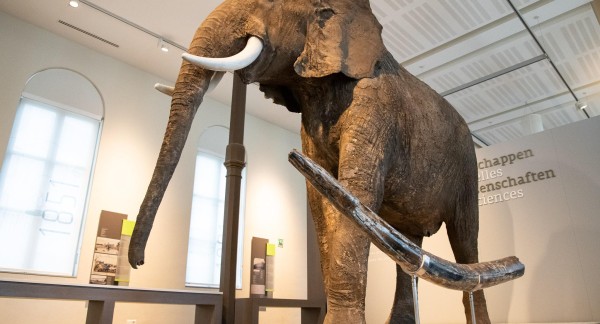
A fossilised tusk of an elephant in the North Sea!
08/02/2022
Early July 2020, a Dutch shrimp trawler in Belgian territorial waters hauled up nothing less than an elephant tusk in its nets.
Science
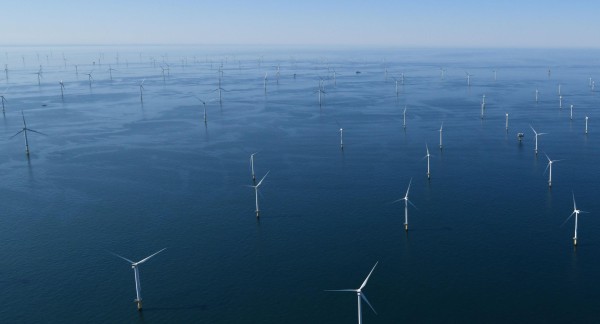
Environmental impact of offshore wind farms in the Belgian North Sea - Attraction, avoidance and habitat use at various spatial scales
03/02/2022
In a new annual report, the scientists that monitor the environmental impact of offshore wind farms in the Belgian part of the North Sea summarise their latest findings. Once again, some surprising revelations are included.
Science
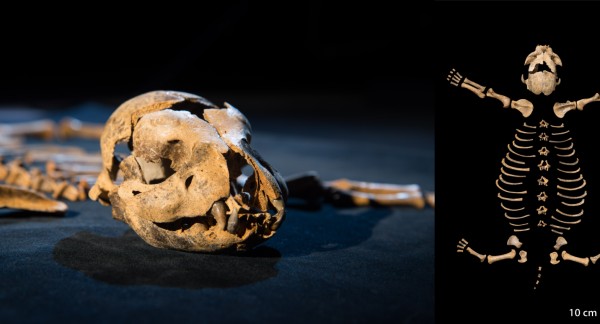
Skeletons of hundreds of Ice Age hyena cubs found in Belgian cave highlight severe ecological event that struck northern Europe about 45,000 years ago
02/02/2022
Researchers from the Royal Belgian Institute of Natural Sciences and the University of Aberdeen, Scotland, have recovered more than 300 skeletons of cave hyena cubs from a prehistoric cave in southern Belgium.
Science
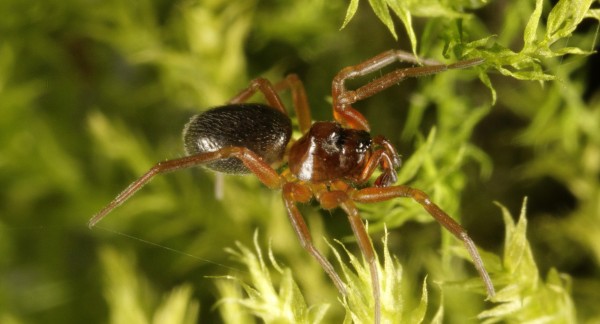
Supergene turns spider into a ‘macho male’
23/12/2021
Biologists from the Institute of Natural Sciences found in a spider species that 'macho males' have an extra set of genes that is lacking in feminized males.
Science
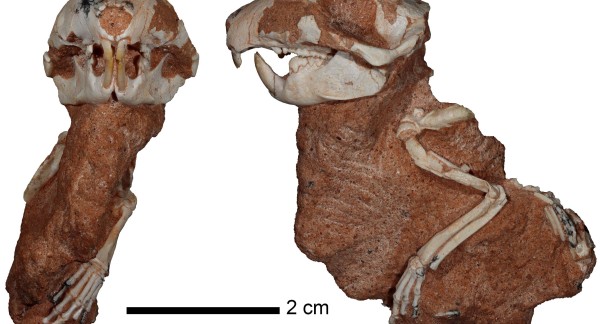
Two primitive mammals that lived at the end of the dinosaur era
02/12/2021
Palaeontologists from the Royal Belgian Institute of Natural Sciences have described two primitive mammals from the Upper Cretaceous that lived about 70 million years ago. One was excavated in Inner Mongolia, the other in Romania.
Science
170 species named after King Leopold III and Queen Astrid
24/11/2021
Two of our Institute’s taxonomists - biologists specialised in the discovery, description and classification of species - have found 170 species of animals named after King Leopold III and Queen Astrid in our collection and in databases.