News
Science
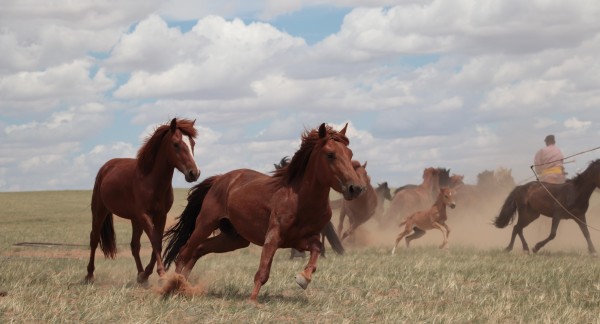
Origin of domestic horses finally established
20/10/2021
Horses were first domesticated in the northern Caucasus, before conquering the rest of Eurasia within a few centuries.
Science
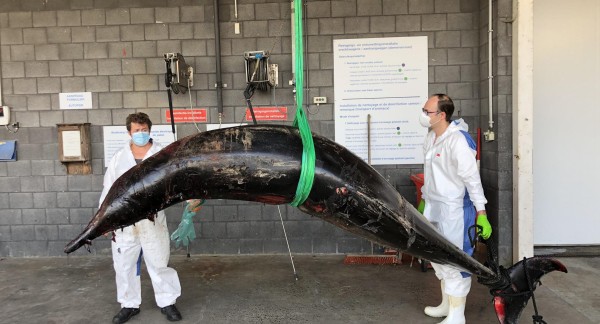
Marine mammals in Belgium in 2020
08/10/2021
In a new report, the RBINS summarises the results of the monitoring and research of marine mammals in Belgium in 2020.
Science
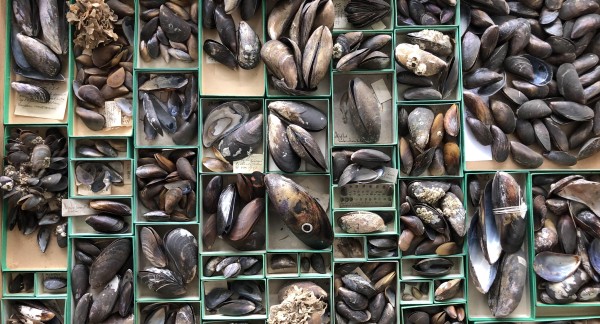
Belgian mussels developed stronger shells
21/09/2021
Belgian mussels have developed stronger shells over the last hundred years. More calcareous shells protect them better from crabs’ claws and seagulls’ beaks. These predators have increased significantly in number during the last fifty years.
Science
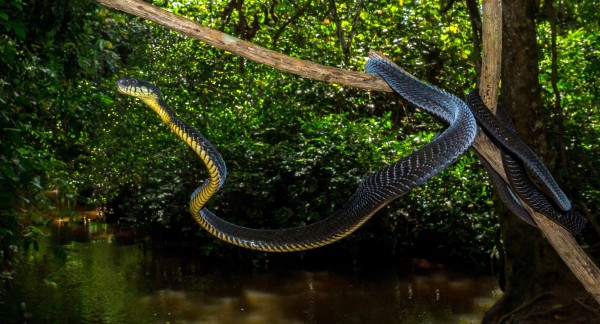
Six new snake species described
10/06/2021
Two of them live in trees in Central Africa, three others on limestone hills in Thailand and another one near mountain rivers in the north of South-East Asia and the south of China.
Science
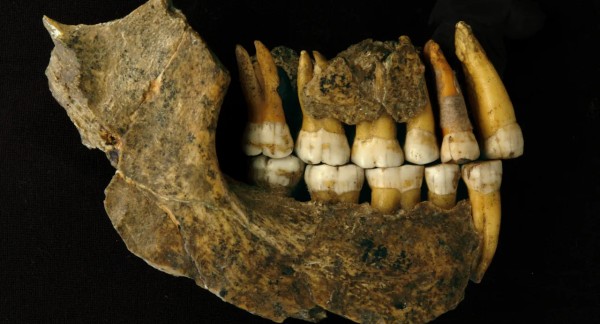
Neanderthals disappeared from Belgium thousands of years earlier than thought
09/03/2021
Belgian Neanderthal remains, including the world-famous Neanderthals of Spy, are thousands of years older than previously assumed. This is the conclusion of an international research team that re-dated the Belgian Neanderthal remains with a new technique. This discovery implies that Neanderthals disappeared from Belgium much earlier than thought and are therefore no longer the youngest Neanderthals in Europe.

Museum
Listen to our fascinating podcast/audioguide about the dinosaur era
18/02/2021
Discover our brand new audioguides for the Dinosaur Gallery
Science
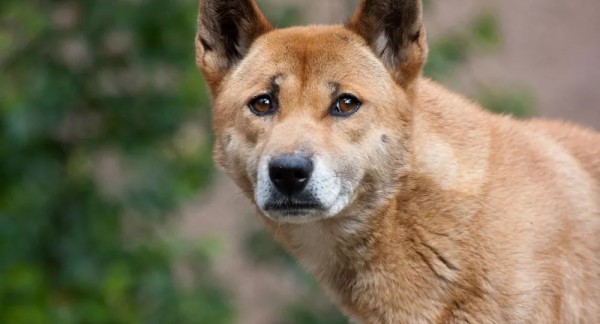
Study of Ancient Dog DNA Traces Canine Diversity to the Ice Age
29/10/2020
A global study of ancient dog DNA presents evidence that there were different types of dogs more than 11,000 years ago in the period immediately following the Ice Age.
Science
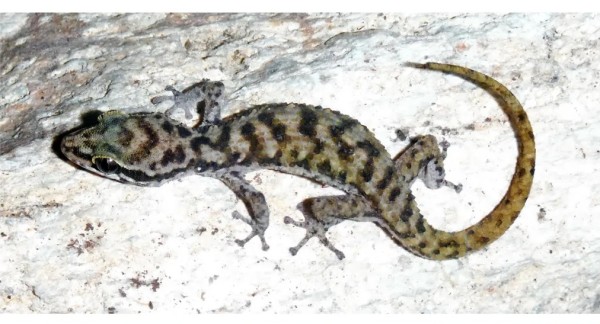
Unexpected Discovery of Two New Gecko Species in Thailand
22/10/2020
A team of researchers from Thailand and Belgium discovered two new gecko species, in two very unexpected places: next to a famous Buddhist temple in Cha-Am and in the middle of the city Ranong. The two new species belong to the genus Dixonius, a group of small ground- and rock-dwelling geckos.
Science
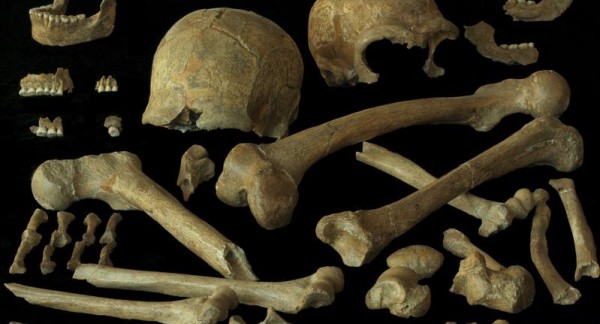
Neanderthals inherited the Y chromosome from modern humans.
08/10/2020
An international team of researchers has discovered that genetic exchange occurred between early modern humans and Neanderthals more than 100,000 years ago. Interbreeding between these two groups led to the complete replacement of the Neanderthal Y chromosome with that of early modern humans. The Homo sapiens Y chromosome likely offered a selective advantage and, over time, replaced all Neanderthal Y chromosomes. For this study, published in the journal Science, the DNA of a Neanderthal fossil from Spy was analyzed.
Science
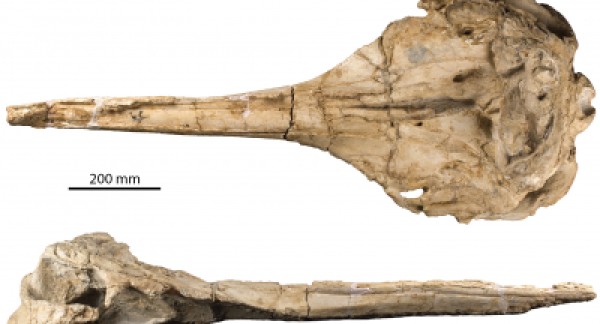
18 Million Year Old Sperm Whale With 'Needle-Shaped' Snout
21/09/2020
Paleontologists have excavated and described one of the oldest fossil sperm whales. The new species from Peru is approximately 18 million years old. Rhaphicetus valenciae was about 5 metres long and had an extremely long snout and slender, pointed teeth. It probably hunted small, fast-swimming prey in shallow waters. Today's sperm whales have a broad snout and 'suction feed' on squid at great depths.