News
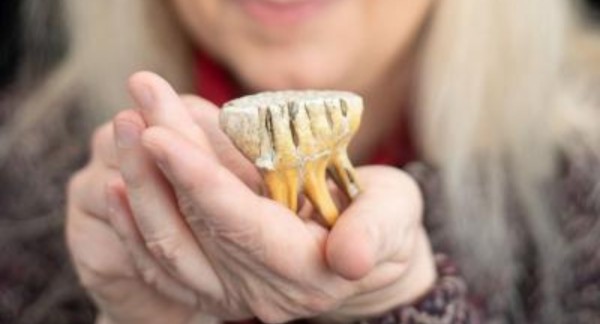
Ecological Footprint of First Modern Humans in Europe Was Larger Than That of the Neandertals
14/03/2019
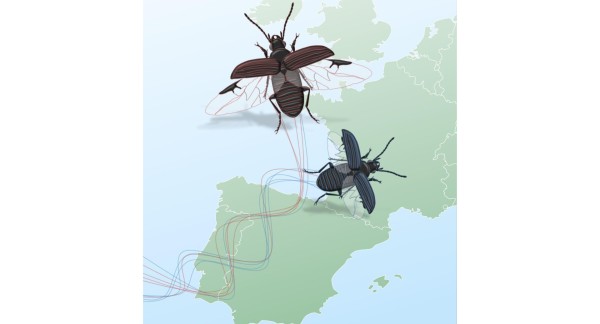
Rapid Evolution Through Defrosted Ice Age Genes
04/12/2018

Urbanization Affects Animal Body Size
23/05/2018
Bone Analysis Confirms: ‘Little Iguanodon’ is a Separate Species
09/03/2018
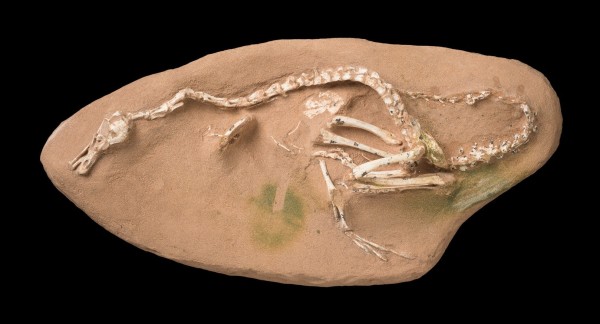
Stolen Dinosaur Skeleton Turns Out To Be Swimming Raptor
06/12/2017
An international team of scientists, along with Belgian palaeontologists, has described a new dinosaur that could swim. It is the first time this adaptation has been found so clearly in a dinosaur. The 75 million year old and exceptionally well-preserved Halszkaraptor fossil from Mongolia was poached and circulated in private collections.

Domestication of the Cat: Ancient DNA Reveals Significant Role of the Near East and Egypt
19/06/2017
DNA found at archaeological sites reveals that the origins of our domestic cat are in the Near East and ancient Egypt. Cats were domesticated by the first farmers some 10,000 years ago. They later spread across Europe and other parts of the world via trade hub Egypt. The DNA analysis also revealed that most of these ancient cats had stripes: spotted cats were uncommon until the Middle Ages.
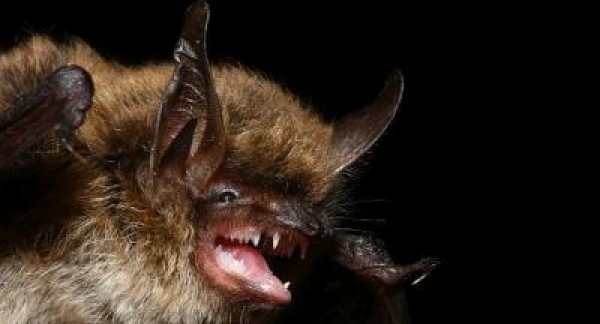
Belgian Discovery: Popular Bat Genus Is Millions of Years Older Than Thought
09/06/2017
Our palaeontologists have found the oldest fossil of the extant bat genus Myotis (mouse-eared bat). This proves that the widespread genus has existed at least 7 million years earlier than previously assumed.

Baleen Whales’ Ancestors Were Toothy Suction Feeders
11/05/2017
Modern whales’ ancestors probably hunted and chased down prey, but somehow, those fish-eating hunters evolved into filter-feeding leviathans. An analysis of a 36.4-million-year-old whale fossil suggests that before baleen whales lost their teeth, they were suction feeders that most likely dove down and sucked prey into their large mouths. The study published on May 11 in Current Biology also shows that whales most likely lost the hind limbs that stuck out from their bodies more recently than previously estimated.

XperiBIRD.be: pupils observe nest boxes with camera and help scientists in the process
20/09/2016
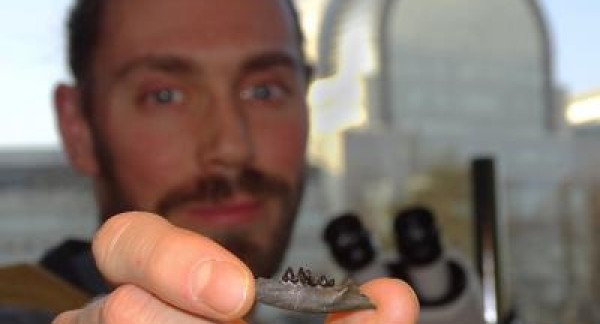
Oldest Carnivoran Mammal of Europe Discovered
09/02/2016
Researchers of our Institute have described the oldest mammalian predator of Europe. Vassacyon prieuri from Northern France is 57 million years old and is considered the earliest ancestor of modern-day cats and dogs. “The fossil exemplifies the early flourishing of carnivoran mammals on our continent after the dinosaurs became extinct”, says RBINS palaeontologist Floréal Solé, who collaborated with Romanian and French colleagues.