News
Science
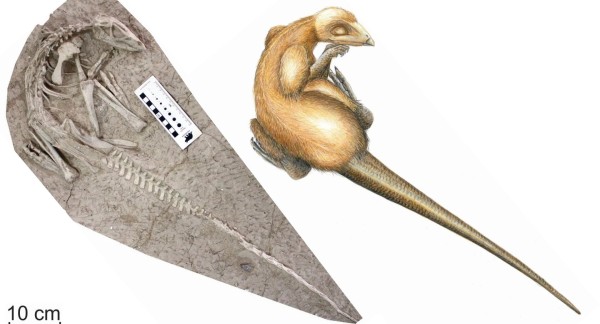
Eternal Sleep: Dinosaurs Died Underground, Fossils Perfectly Preserved
08/09/2020
Palaeontologists have described a new species of burrowing dinosaur from China. Two intact fossils of Changmiania liaoningensis suggest that the animals were trapped by a volcanic eruption while resting at the bottom of their burrows. The newly described species is the most primitive ornithopod dinosaur to date, a group that also include our Bernissart Iguanodons.
Science
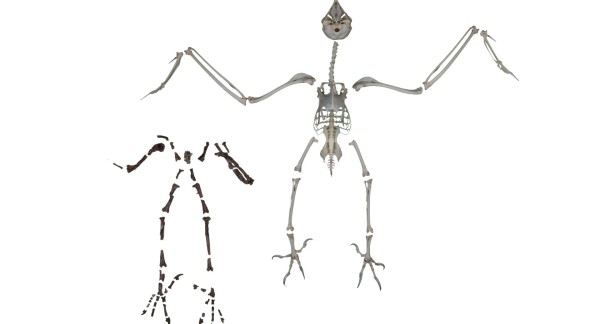
Owl Discovered That Hunted Like A Hawk 55 Million Years Ago
28/07/2020
Paleontologists have described a large owl that killed medium-sized mammals with its feet and claws some 55 million years ago. “Today, owls kill with their beak," says paleontologist Thierry Smith (RBINS), who participated to the study of the well-preserved skeleton from Wyoming, USA. Primoptynx poliotauros is a new species and a new genus.
Science
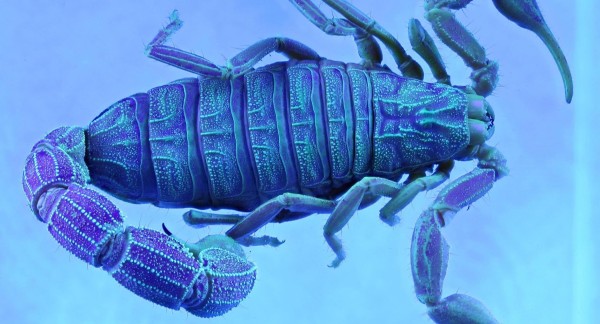
How To Digitalize Natural Sciences Collections?
23/07/2020
Researchers from the Royal Belgian Institute of Natural Sciences and the AfricaMuseum have published a handbook on how to digitalize natural history collections. This can be done in fifty ways, and in fifty shades.
Science
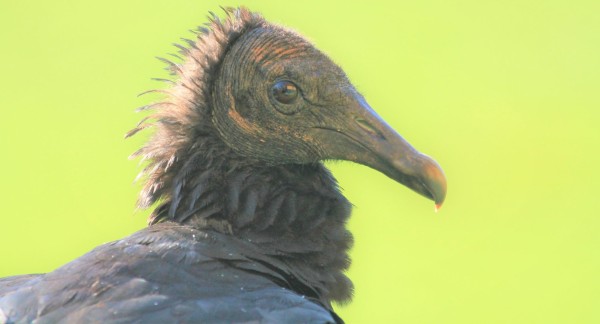
Underneath The Feathers: Darker Bird Skin Protects Against UV Light
02/06/2020
Biologists from the University of Ghent discovered that bird skin becomes darker towards the equator. Tanned skin protects birds from harmful UV light. This evolutionary pattern was already know for humans and reptiles. This pattern is most apparent in bald birds and birds with white plumage. The scientists investigated no less than 2,250 bird species from museum collections.
Science
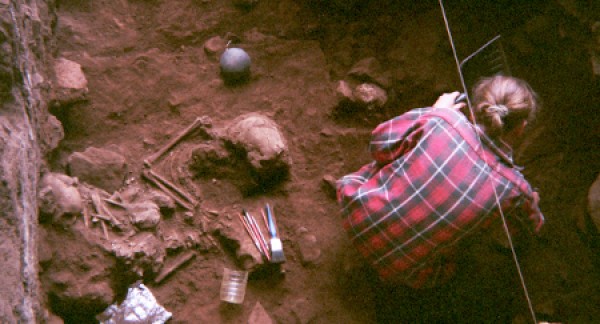
The genome of four skeletons, 8,000 and 3,000 years old, sheds light on the history of Homo sapiens in Africa.
28/01/2020
Researchers at Harvard University have reconstructed the genomes of four skeletons dating back 8,000 and 3,000 years. The study allows researchers to outline, for the first time, different patterns of dispersal and differentiation across sub-Saharan Africa.
Science
Belgian Geologists Create Laser Rock Scanner for NASA
14/11/2019
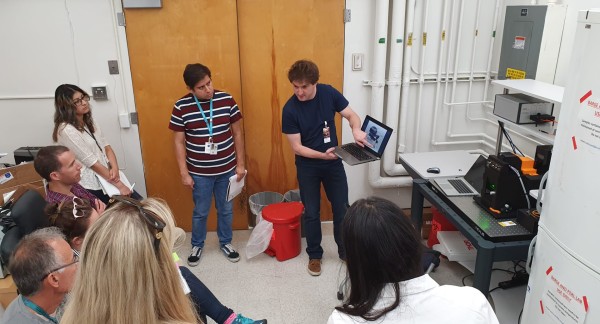
Scientists of the Royal Belgian Institute of Natural Sciences have developed an ultra-robust rock scanner to analyse the chemical composition of rocks.
Science
The 40km long drill core collection of the Belgian subsoil
24/09/2019
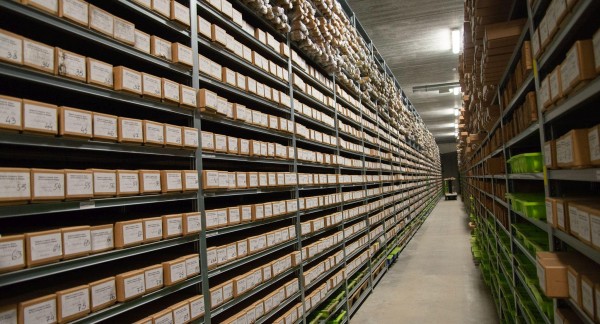
Conservatories at Péronnes-lez-Binche in Hainaut house 40 km of drill cores. Collected over the last 150 years, these geological samples tell us about the composition of Belgium's subsoil.
Museum
Sauria: a different way to visit the Museum
08/07/2019
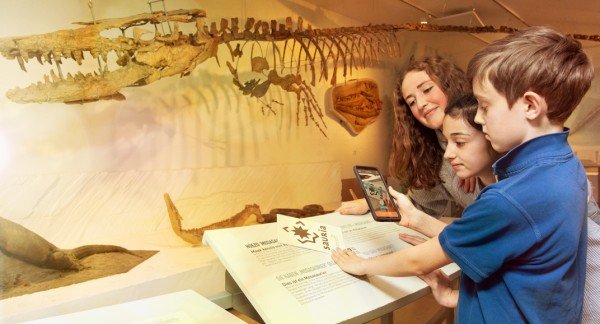
Sauria is a different way to visit the biggest Dinosaur Gallery in Europe: with a paper map and the accompanying app!
Science
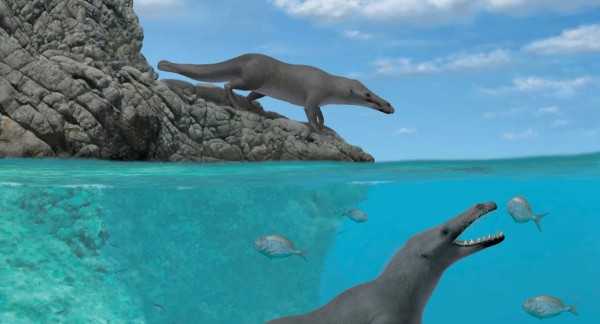
Four-Legged Whale Ancestors Reached South America in an Otter-Like Swimming Style
04/04/2019
Science
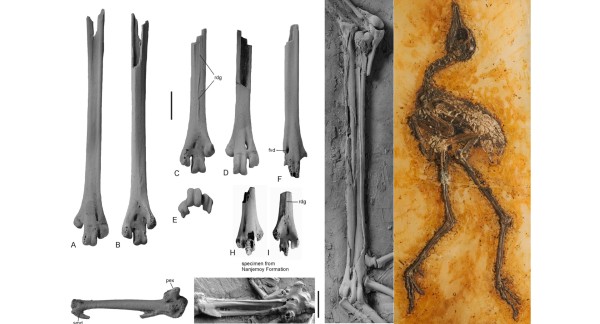
52 Million Year Old Birds Found by Palaeontology Enthusiasts
04/04/2019