News
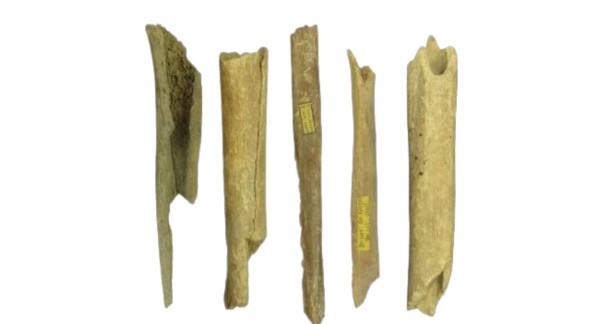
European Humans Underwent Hefty Shuffle at the End of Last Ice Age
04/02/2016
European populations changed dramatically at the end of the last Ice Age. This is what scientists have revealed as a result of DNA analysis of more than thirty fossils from six countries. Moreover, the genetic material of Belgian fossils indicates that the modern humans have migrated from Africa straight to Europe without making a detour through Asia, which was originally thought.
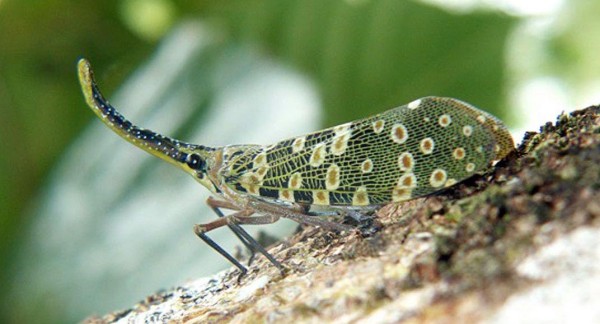
Facebook Users Help Inventorize Cambodian Lanternflies
21/01/2016
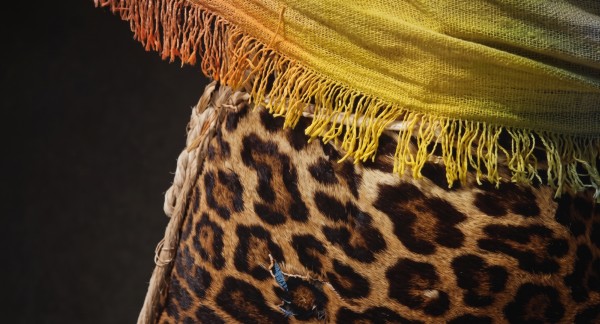
Biodiversity and Development Cooperation – Two Sides of the Same Coin
18/12/2015
How can we protect biodiversity in developing countries, and stimulate their development in a sustainable manner at the same time? This was the key issue that was discussed at Biodiversity and Development, A Global Heritage, the symposium organised by our CEBioS programme. More than twenty speakers presented their views on the importance of biodiversity and ecosystems in developing countries.
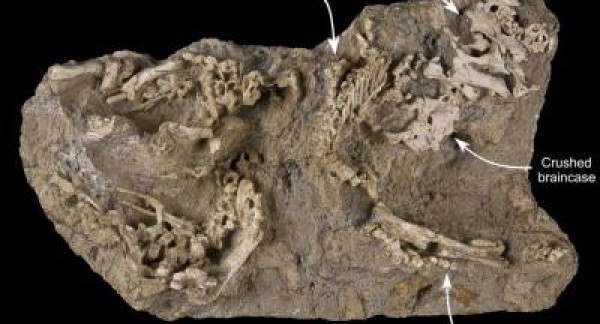
Baby Dinosaurs from Mongolia
15/10/2015
Belgian palaeontologists have described baby dinosaurs with associated shell fragments. The Saurolophus dinosaurs were likely from a nest. The find sheds more light on the earliest stages of development of this giant hadrosaur species with typical crest.
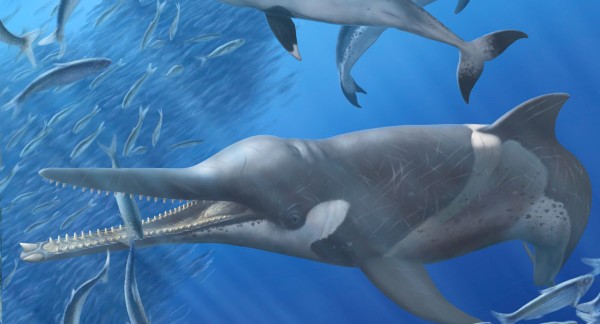
Fossilised Meal Illustrates Habitat Shift of Beaked Whales
09/09/2015
Our colleague, palaeontologist Olivier Lambert, has found a 9 million year old fossil of a beaked whale and its last meal. This extremely rare find suggests that part of the beaked whales lived close to the water surface at that time, while the modern species are deep divers.
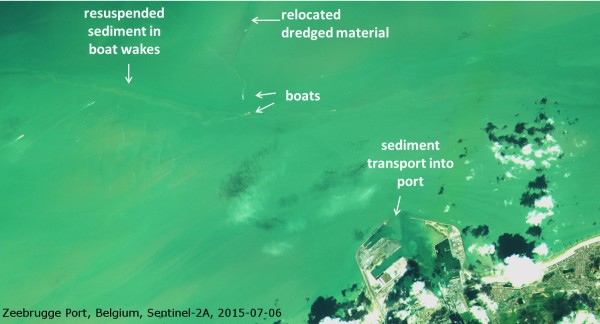
Marine Researchers Welcome Extraordinary Sea Images from New European Satellite
03/08/2015
The newly launched European satellite Sentinel-2A turns out to be very useful for marine researcher, says bio-engineer Dimitry Van der Zande of our Institute, who presented the first images in Milan. The satellite, launched in June, was originally designed for land applications, but now also offers opportunities for the study of coastal areas.
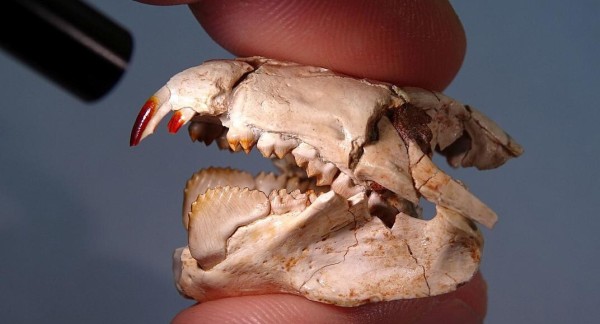
A Prehistoric Mammal with Blood Red Teeth
16/07/2015
Our colleague and palaeontologist Thierry Smith has discovered a 70 million year old mammal with red teeth in Transylvania, Romania. Iron strengthened Barbatodon transylvanicus’ incisors and molars and gave them their red colour. Barbatodon is the oldest known fossil mammal with iron in its teeth and its skull is the most complete mammal fossil from the Upper Cretaceous period in Europe.
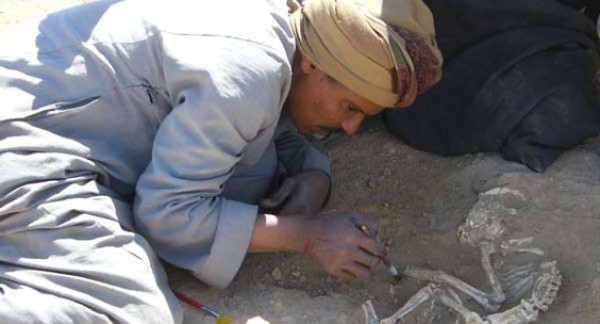
Ancient Egyptian Animal Skeletons Reveal Injuries From Beatings
08/06/2015
A team of Belgian archaeologists has found wild animals in ancient Egyptian graves, which show signs of punishment and tethering.
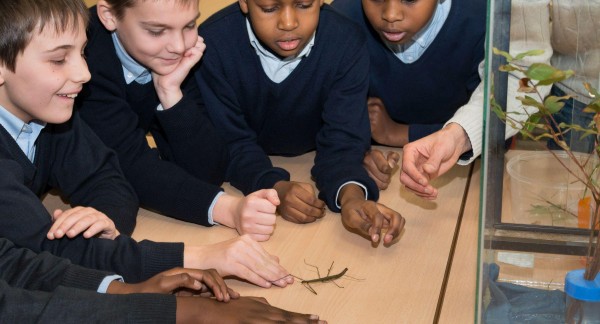
Pupils Help to Describe a New Stick Insect Species
05/03/2015
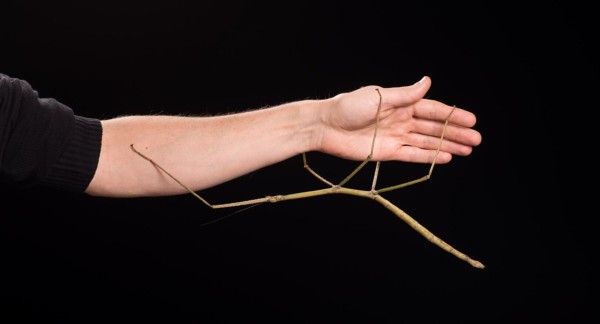
New Species of Stick Insect is Second Largest Insect in the World
27/11/2014
Belgian biologists have discovered three new stick insect species in Vietnam. One of them is 32 centimetres long and the second largest insect on earth.