News
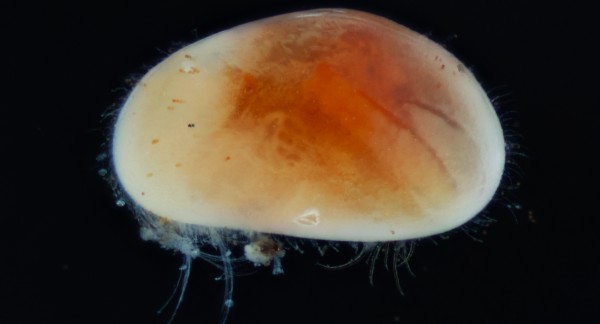
Bacteria in the ovaries of ostracods may steer their reproduction
11/12/2025
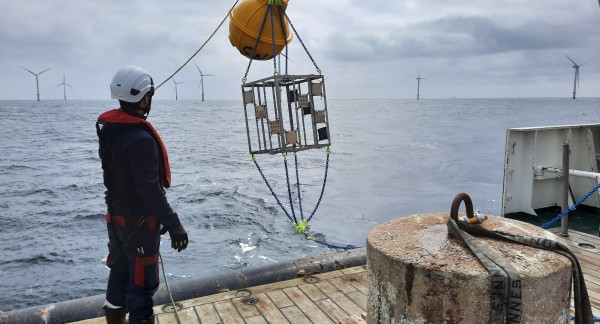
10 years of EMBRC Belgium: Driving force for innovation in marine research
10/12/2025
On December 9th, the tenth anniversary of the Belgian branch of the European Marine Biological Resource Centre was celebrated. Over the past decade, the initiative has significantly strengthened access to high-quality research infrastructure, expertise, and international collaborations.
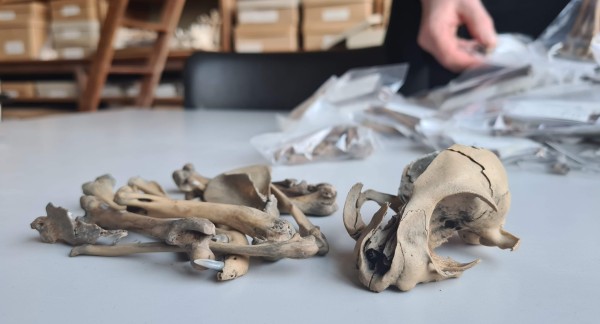
The domestic cat only arrived in Europe 2,000 years ago via North Africa
28/11/2025
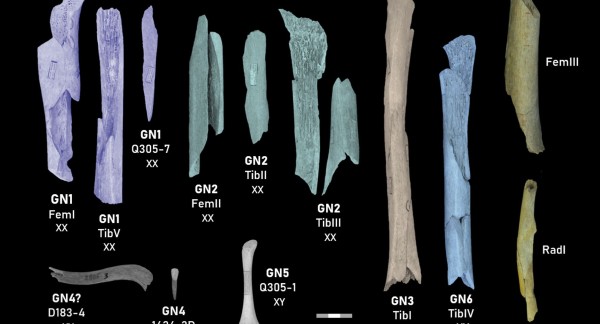
Cannibals targeted Neanderthal women and children
26/11/2025
Neanderthal bones from the Goyet caves (Namur Province) show traces of cannibalism. A 2016 study had already demonstrated this, but it now appears that all the victims were women and children. Moreover, they did not come from the Goyet region but were brought there and then consumed.
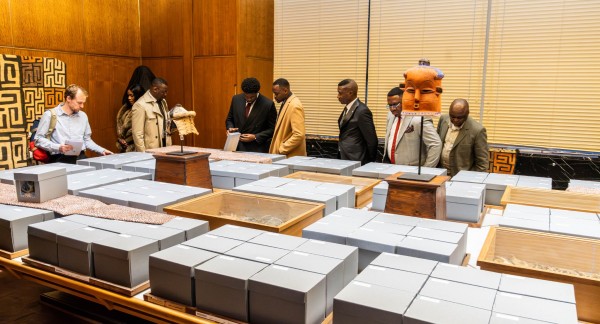
A tribute to Congolese ancestors preserved in the Institute's collections
25/11/2025
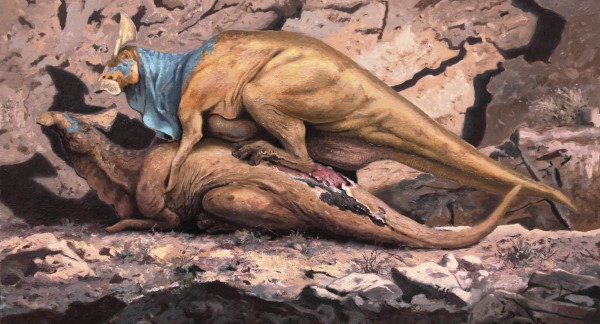
Mating injuries as clues to recognize female dinosaurs
04/11/2025
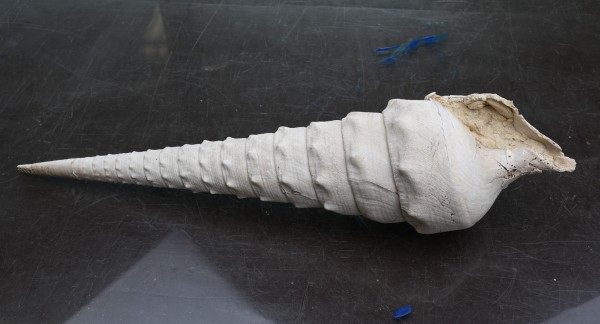
Fossil giant sea snail reveals what European summers may look like in the distant future
28/10/2025
A Belgian-Dutch study shows that 45 million years ago, Western Europe experienced a warm and humid climate with monsoon-like conditions, under the influence of high CO2 concentrations.
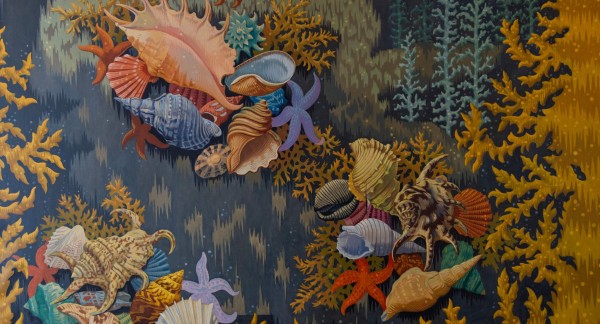
One of the eight treasures of the Heritage Challenge 2025!
21/10/2025
Our project? The restoration of 21 paintings by Alphonse Mora (1891–1977), artist and shell collector, who immortalized underwater life and marine biodiversity in oil paint. Vote for us!
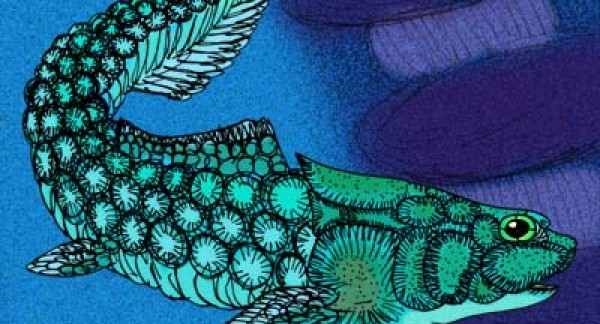
A 400-million-year-old placoderm reveals how the first dentitions were structured
17/09/2025
A placoderm species from Canada that lived some 400 million years ago offers us a glimpse into the very earliest beginnings of tooth evolution: dental plates attached to the palate with small teeth that grew in all directions.
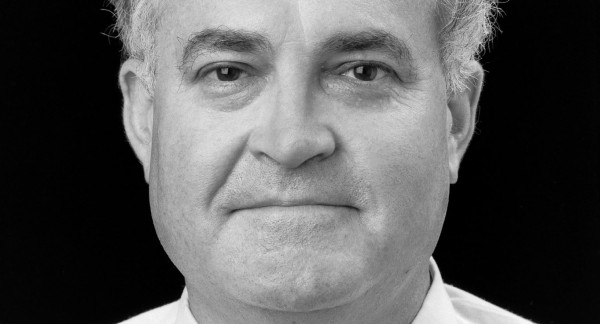
In memoriam: former director Daniel Cahen (1943–2025)
16/09/2025
Daniel Cahen, former director of the institute, passed away on September 11, 2025, at the age of 82. He left a lasting mark on the archaeology and museology of our country.