Go to the content
  • About us
EN
Français Nederlands Deutsch
  • Home
  • Museum
  • Science
  • Discover & Join
  • Companies & Organisations
Institute of Natural Sciences
Tickets & Reservations
  • Home
  • Museum Museum
    • Exhibitions & Activities
    • Practical information
    • Schools
    • Educational tools
    • Exposition rental
    • Venue hire
    • News
  • Science Science
    • Research
    • Collections & Data
    • Policy support
    • Services & Expertise
    • Library
    • Publications
    • News
    • Archives
  • Discover & Join Discover & Join
    • Discover
    • Citizen Science
    • Donations
    • Friends of the Institute
    • Social media wall
  • Companies & Organisations Companies & Organisations
    • Venue rentals
    • Exhibition rentals
    • Services & Expertise
    • Sponsoring & Partnerships
  • About us About us
    • Our history
    • Governance
    • Missions & Vision
    • Organisational chart
    • Staff
    • Network & Partnerships
    • Treaties & Conventions
    • Jobs
  • News
  • Press
  • EN
  • FR
  • NL
  • DE
  • Facebook
  • Instagram
  • Bluesky
  • YouTube
  • Linkedin
  • Research
  • Collections & Data
  • Policy support
  • Services & Expertise
  • Library
  • Publications
  • News
  • Archives
  • More
  1. Science
  2. Archives
  3. 2014

2014

New Species of Stick Insect is Second Largest Insect in the World

27/11/2014

New Species of Stick Insect is Second Largest Insect in the World

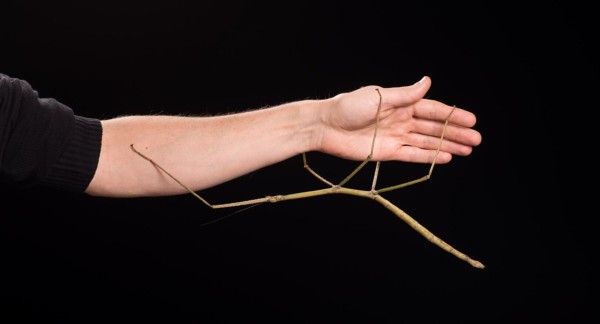
Belgian biologists have discovered three new stick insect species in Vietnam. One of them is 32 centimetres long and the second largest insect on earth.

Fossils Suggest Horses' Ancestors Originated in India

20/10/2014

Fossils Suggest Horses' Ancestors Originated in India

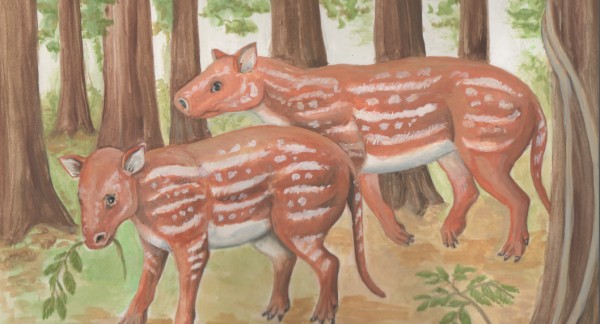
Working at the edge of a coal mine in India, a team of Johns Hopkins researchers and colleagues have filled in a major gap in science’s understanding of the evolution of a group of animals that includes horses and rhinos. That group likely originated on the subcontinent when it was still an island headed swiftly for collision with Asia, the researchers report in the online journal Nature Communications.

The Origin of Modern Mammals

03/02/2014

The Origin of Modern Mammals

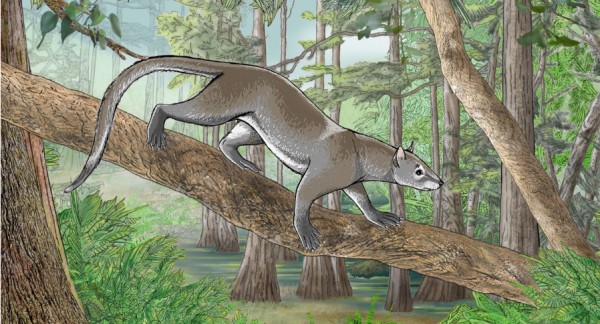
Research conducted over three years by a team of paleontologists from our Institute, in collaboration with 13 other Belgian and French institutes, has led to the discovery of a new fossil mammal site in Rivecourt, in the Paris Basin, as well as a new species of carnivorous mammal in the Belgian site of Dormaal, in Flanders. These studies, published respectively in the international journals PloS ONE and Journal of Vertebrate Paleontology, reshuffle our understanding of the emergence of the first modern mammals, particularly rodents and carnivores.
Bringing nature into everyone’s life

Museum

  • Exhibitions & Activities
  • Practical information
  • Schools
  • Educational tools
  • Exposition rental
  • Venue hire
  • News

Science

  • Research
  • Collections & Data
  • Policy support
  • Services & Expertise
  • Library
  • Publications
  • News
  • Archives

Discover & Join

  • Discover
  • Citizen Science
  • Donations
  • Friends of the Institute
  • Social media wall

Companies & Organisations

  • Venue rentals
  • Exhibition rentals
  • Services & Expertise
  • Sponsoring & Partnerships

About us

  • Our history
  • Governance
  • Missions & Vision
  • Organisational chart
  • Staff
  • Network & Partnerships
  • Treaties & Conventions
  • Jobs
  • News
  • Press
  • Accessibility statement
  • Privacy
  • Conditions for re-use
  • Cookie Policy
  • Social media wall policy
  • Facebook
  • Instagram
  • Bluesky
  • YouTube
  • Linkedin
  • belspo
  • .be
Back to top

We use cookies to help make this website more user-friendly.

More information × I understand