Bacteria in the ovaries of ostracods may steer their reproduction
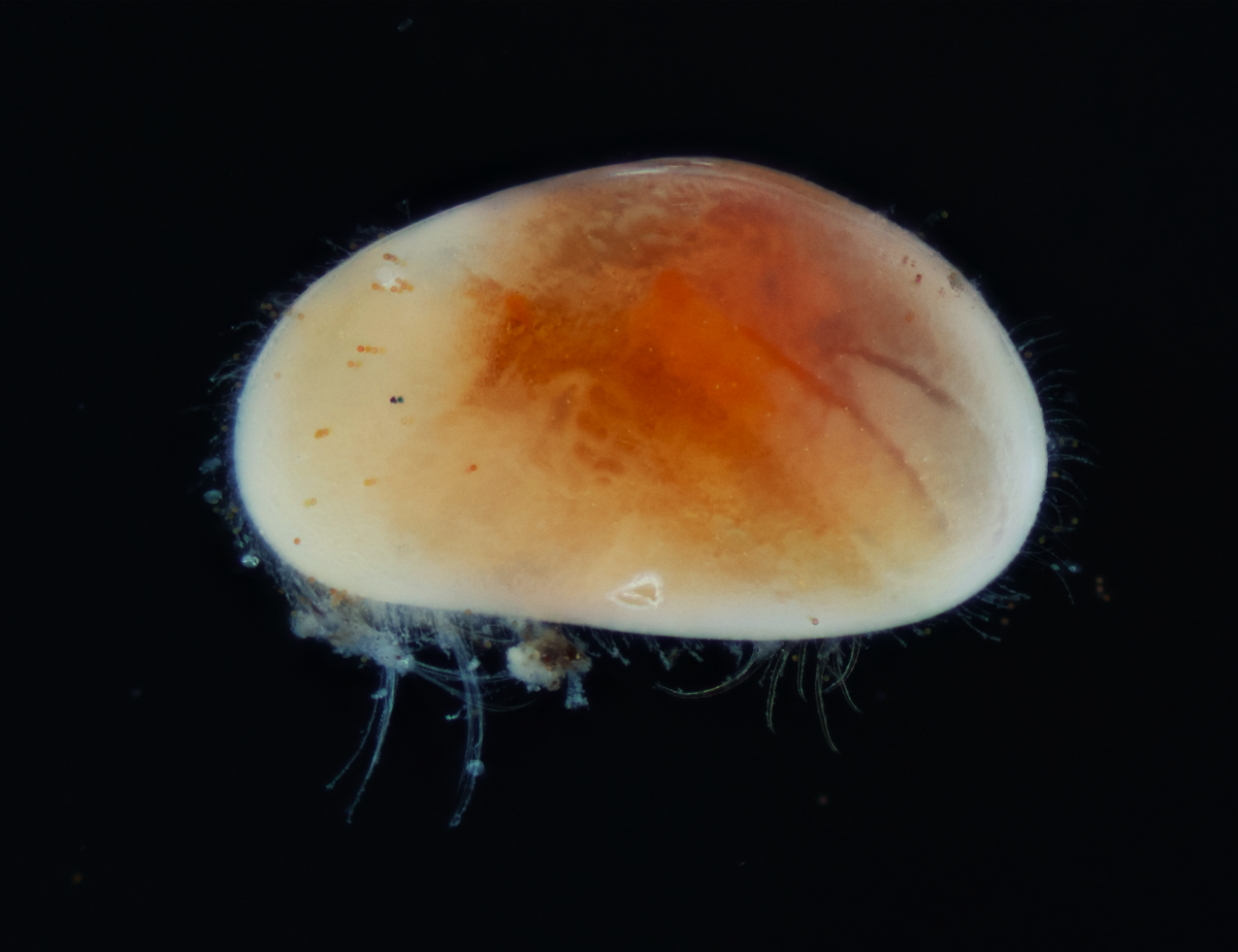
Researchers have discovered bacteria in the egg cells of ostracods that are passed on from mother to offspring – a clear sign of endosymbiosis. The bacterium in question is Cardinium, which lives deep inside the animals’ reproductive organs. “We literally see the bacteria sitting in the egg cells,” says Isa Schön, evolutionary biologist at the Institute of Natural Sciences. “That makes these ostracods a new model system to study asexual reproduction.”
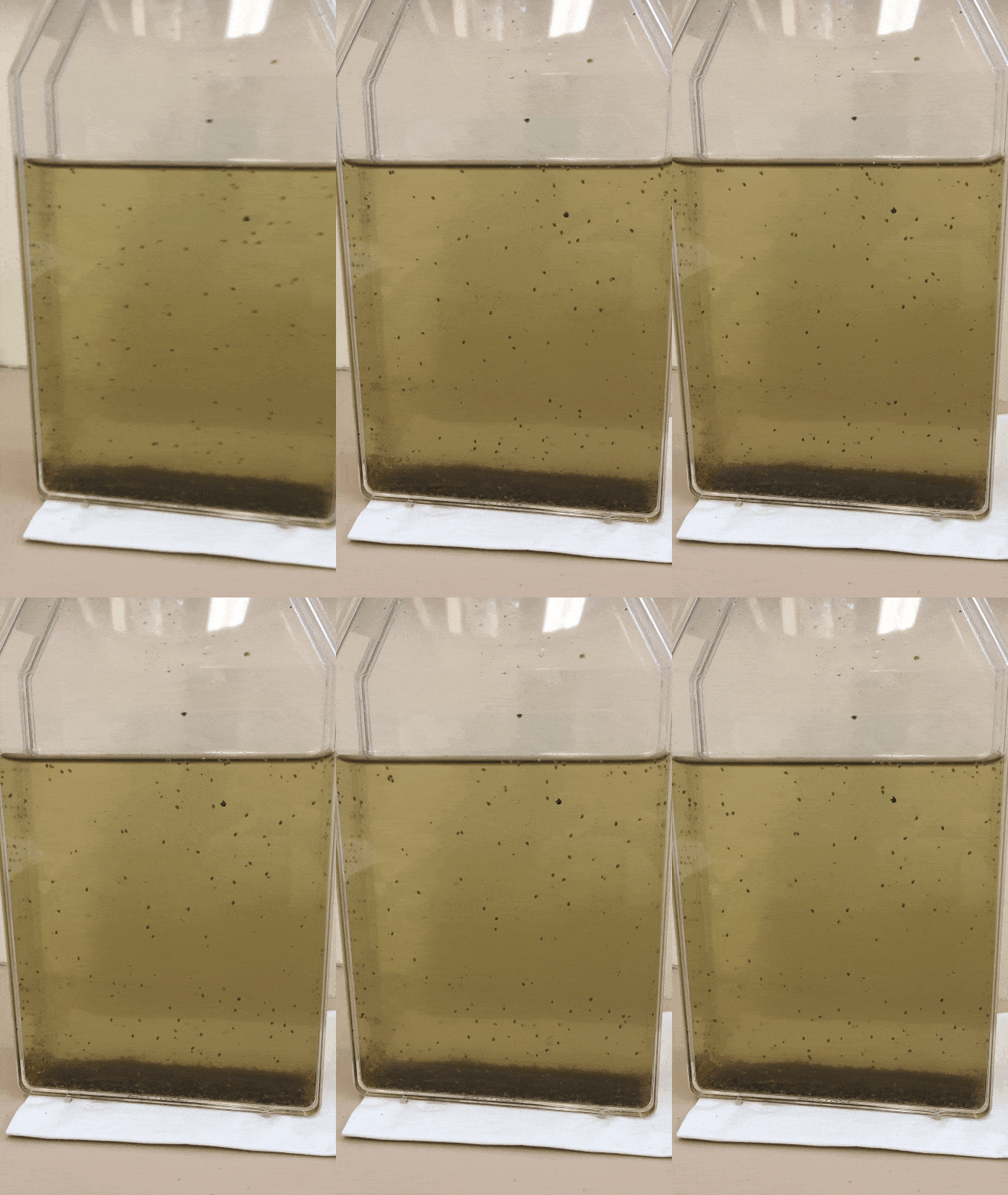
Ostracods are extremely small crustaceans, often only half a millimetre long, that live in both fresh and marine waters. This study focuses on three freshwater species: Heterocypris incongruens, Herpetocypris cheveuxi and Eucypris virens. In the populations examined, they reproduce asexually: females produce only daughters, and do so without males.
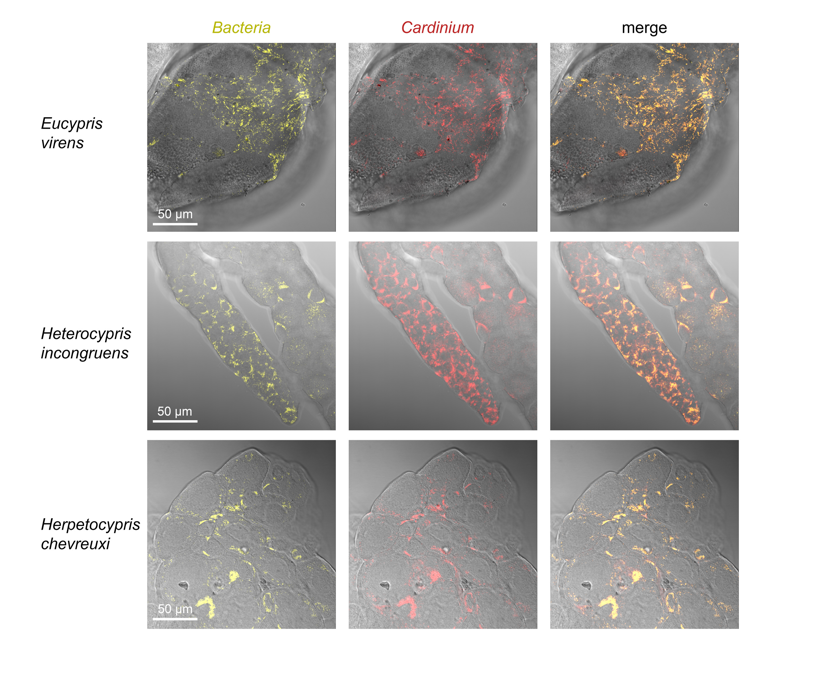
The researchers discovered that the bacterium Cardinium lives in both the ovaries and the eggs of these ostracods. Such bacteria are called endosymbionts: they live inside the cells or the body of their host. The bacteria are passed on from mother to offspring via the egg cells, which shows that they are a stable, hereditary partner.
“In many insects we already know that endosymbionts can manipulate reproduction, for example by killing males or triggering asexual reproduction,” Schön explains. “Because these ostracods are also asexual, we suspect that Cardinium may play a role in this.”
Micro-surgery
To be able to see the bacteria, the researchers first had to isolate the animals’ reproductive organs. That requires great precision. “Imagine: a mussel shrimp is barely a millimetre long,” says Schön. “Our colleague Koen Martens managed to tease the ovaries out of such an animal – and the egg cells themselves are even much smaller. I found that truly impressive.”
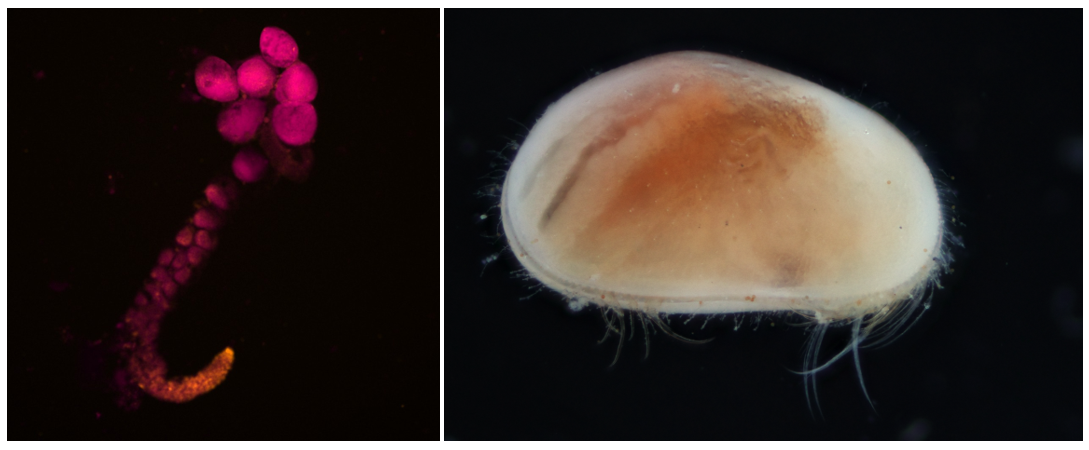
The ovaries and eggs were then stained using a special technique (FISH, fluorescence in situ hybridisation). In this method, researchers use a short piece of DNA with a fluorescent dye that binds specifically to the DNA of Cardinium. Under the confocal microscope, the bacteria light up as coloured dots in the tissue, revealing their exact location.
3D images show that the bacteria are really inside the egg cells and dividing there. They are mainly present in the early developmental stages of the egg cells in the ovaries.
Bacteria as potential drivers of asexual reproduction
Endosymbionts such as Cardinium and Wolbachia are already known as “reproduction manipulators” in insects and other arthropods: they can change the ratio of males to females or induce parthenogenesis (asexual reproduction).
Because the ostracods studied reproduce asexually and Cardinium is present in their reproductive organs, the researchers suspect that the bacterium may help steer this mode of reproduction. In future, this can be tested by eliminating the bacteria with antibiotics and observing whether reproduction changes.
Tiny crustaceans, big questions
Parthenogenesis is not just a curiosity from the pond: asexual reproduction is also very common in crop plants. Gaining a better understanding of how this form of reproduction works may therefore also be relevant in the longer term for agriculture and plant breeding.
This study shows that freshwater ostracods are the first fully aquatic hosts in which Cardinium has been conclusively demonstrated as an endosymbiont. They thus form a new model organism for research into the evolution of reproduction and the role of bacterial partners in it.
The results have been published in the journal Proceedings of the Royal Society B.