No signs of genetic poverty among the last Neandertals of North-Western Europe
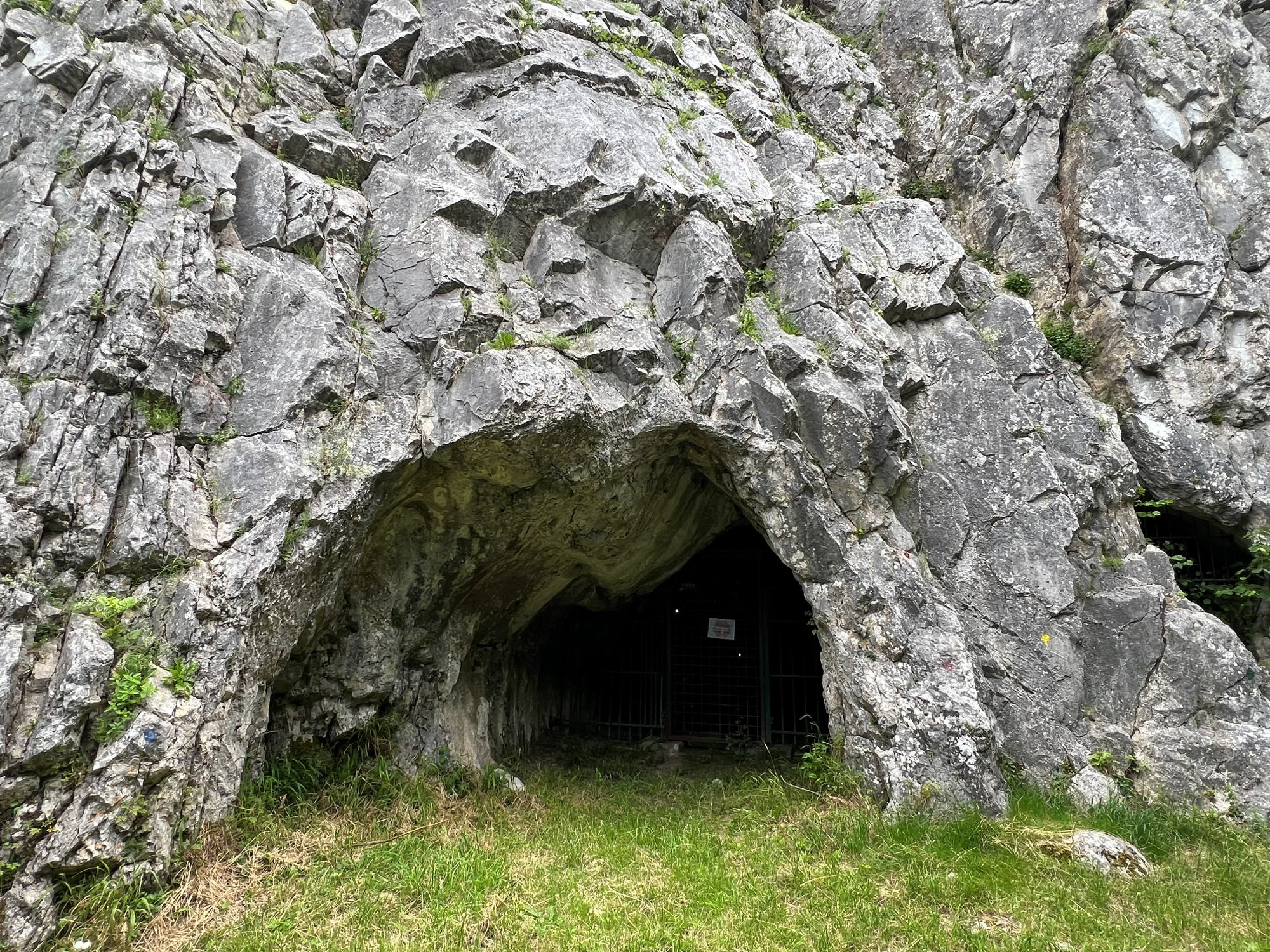
The last Neandertals in our region, just over 40,000 years ago, turn out to have been quite genetically diverse, a finding that challenges the idea that inbreeding and genetic deterioration were a major cause of their extinction.
A new genetic study of late Neandertals found in Belgium and France has led to several remarkable conclusions. First: most Neandertals from the Meuse Basin and nearby regions were more closely related to each other than to late Neandertals from other parts of Europe, pointing to strong regional connections.
Second: although late Neandertals lived at a time when early modern humans (Homo sapiens) had already migrated into Europe, this group of Neandertals in North-Western Europe shows no signs of mixing with them.
And third: there is no evidence of a gradual genetic decline, a hypothesis that has often been put forward as the main cause of their extinction.
A good genome from Goyet
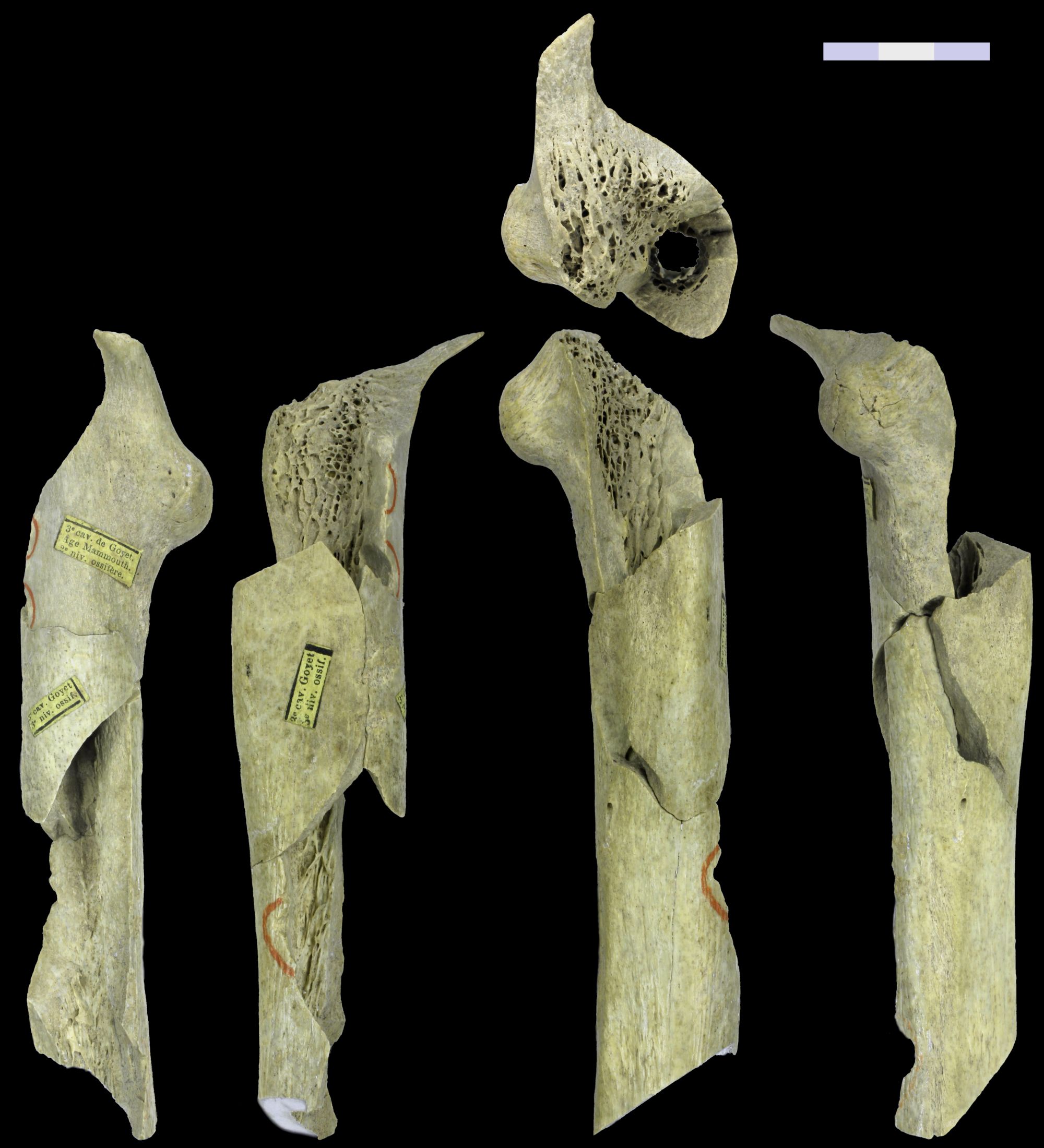
The researchers analyzed the genomes of Neandertals from ten archaeological sites, seven of which are in Belgium, mainly in the Meuse Basin. This area has a high concentration of sites containing remains of late Neandertals (those who lived towards the end of this human species' existence), including the Goyet and Spy caves, near Namur. The dataset includes a new high-coverage genome from an individual from the Goyet caves. This female Neandertal lived around 45,000 years ago. "Until now, we only had four high-quality Neandertal genomes and a limited number of lower-quality ones, so most questions about the regional diversity of Neandertals were difficult to answer," says first author Alba Bossoms Mesa of the Max Planck Institute for Evolutionary Anthropology.
The team mapped the DNA of 27 Neandertal remains from Belgium and France, providing the most detailed picture to date of the diversity among late Neandertals in North-Western Europe shortly before their disappearance, around 40,000 years ago.
A connected but diverse population
Earlier high-quality genomes had shown that some Neandertal groups, particularly those in the Altai region of Siberia, lived in small, genetically isolated communities, with traces of inbreeding. But for the late Neandertals of North-Western Europe, the researchers found no such evidence. On the contrary, "our" Neandertals were part of a larger and better-connected regional population. "The results of this study show that the picture emerging from Siberia cannot simply be applied to all Neandertals," says Benjamin M. Peter, group leader at the Max Planck Institute for Evolutionary Anthropology. "The late Neandertals of North-Western Europe appear to have been part of a connected regional population, rather than living in small, isolated groups with frequent mating between close relatives."
No modern human as great-great-great-grandparent
The study also reveals a more complex population history of Neandertals than previously assumed. "The genetic data show not only connectivity but also complexity," says Mateja Hajdinjak, group leader at the Max Planck Institute for Evolutionary Anthropology. "Most late Neandertals of North-Western Europe are closely related at the population level, but some lineages point to a much deeper and more diverse Neandertal history."
The Neandertals in this study lived at a time when early modern humans were already present in parts of Europe. They are thought to have coexisted with early modern humans for up to 500 generations. Yet the researchers find no traces of modern human DNA in the genomes of these late Neandertals. "Our results add to a striking asymmetry," adds Bossoms Mesa. "We repeatedly find Neandertal ancestry in early modern humans (that is, modern humans with, for example, a Neandertal as a great-great-great-grandmother or -father), but so far we have found no clear evidence of human ancestry in late Neandertals (that is, a modern human as an ancestor)." It is possible that humans and Neandertals produced offspring mainly outside of North-Western Europe.
No extinction through genetic poverty?
The disappearance of the Neandertals has often been linked to small population size, inbreeding, and the accumulation of harmful genetic variants. The new study tested this theory by comparing measures of genetic diversity and genetic load in Neandertal genomes from different periods and regions. All Neandertals had a very limited genetic diversity to begin with, but the researchers found no evidence that late Neandertals were increasingly accumulating harmful mutations. And the high-quality genome of the Neandertal woman from Goyet showed no lower diversity than that of earlier Neandertals.
These results do not rule out demographic vulnerability, but they do raise questions about the idea that Neandertals mainly disappeared because their genomes gradually deteriorated. Instead, the late Neandertals in Belgium and France appear to have been part of a connected, genetically diverse regional population during a period of profound ecological and demographic change.
Old collections in a new light
"This study demonstrates the power of aDNA (ancient DNA) to reveal variation within Neandertals at a much finer scale than was previously possible," says co-author Janet Kelso, group leader at the Max Planck Institute for Evolutionary Anthropology. "Rather than viewing late Neandertals as a single, declining population, we are beginning to get a more complex picture of their regional diversity, connectivity, and population history."
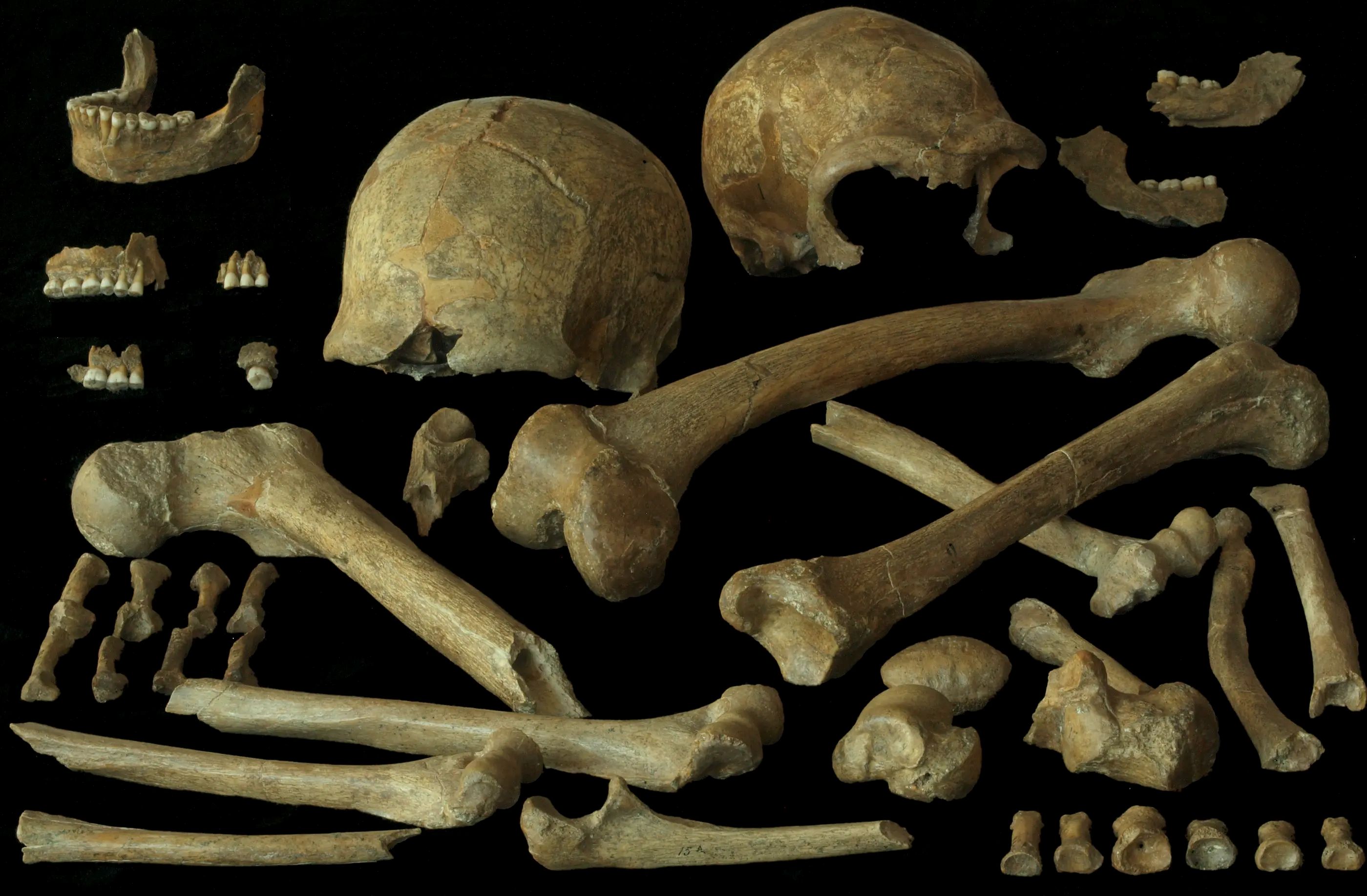
No fewer than seven sites in Belgium play a role in understanding what happened to these late Neandertal populations. Many of the remains, including those from the Goyet and Spy caves, have been preserved at the Royal Belgian Institute of Natural Sciences since the 1860s.
The study was published in Nature.
Based on a press release from the Max Planck Institute