White hydrogen: visit at exploration site in France
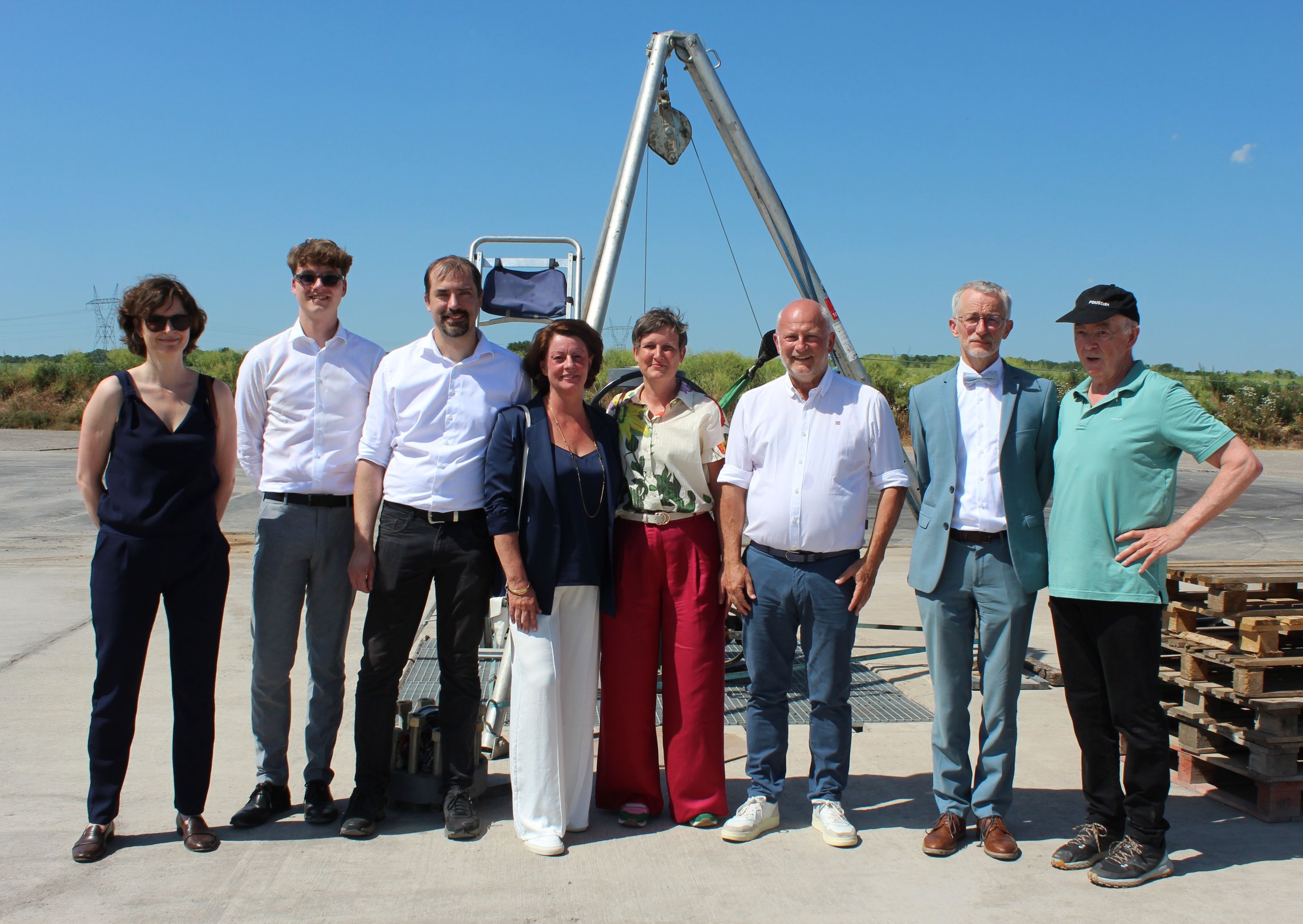
(Photo: Reinout Verbeke, Institute of Natural Sciences)
On Tuesday 26 May 2026, Minister Jean-Luc Crucke and representatives of the Geological Survey of Belgium (GSB), part of the Institute of Natural Sciences, visited the Pontpierre site in Lorraine (France), where white hydrogen was detected. This working visit formed part of the further development of BE.Hydrogen, Belgium’s national programme for the geoscientific exploration of natural hydrogen. It provided an opportunity to compare field experience and scientific insights with the Belgian approach and ambitions regarding natural hydrogen exploration.
Pontpierre, evidence of hydrogen in the French subsurface
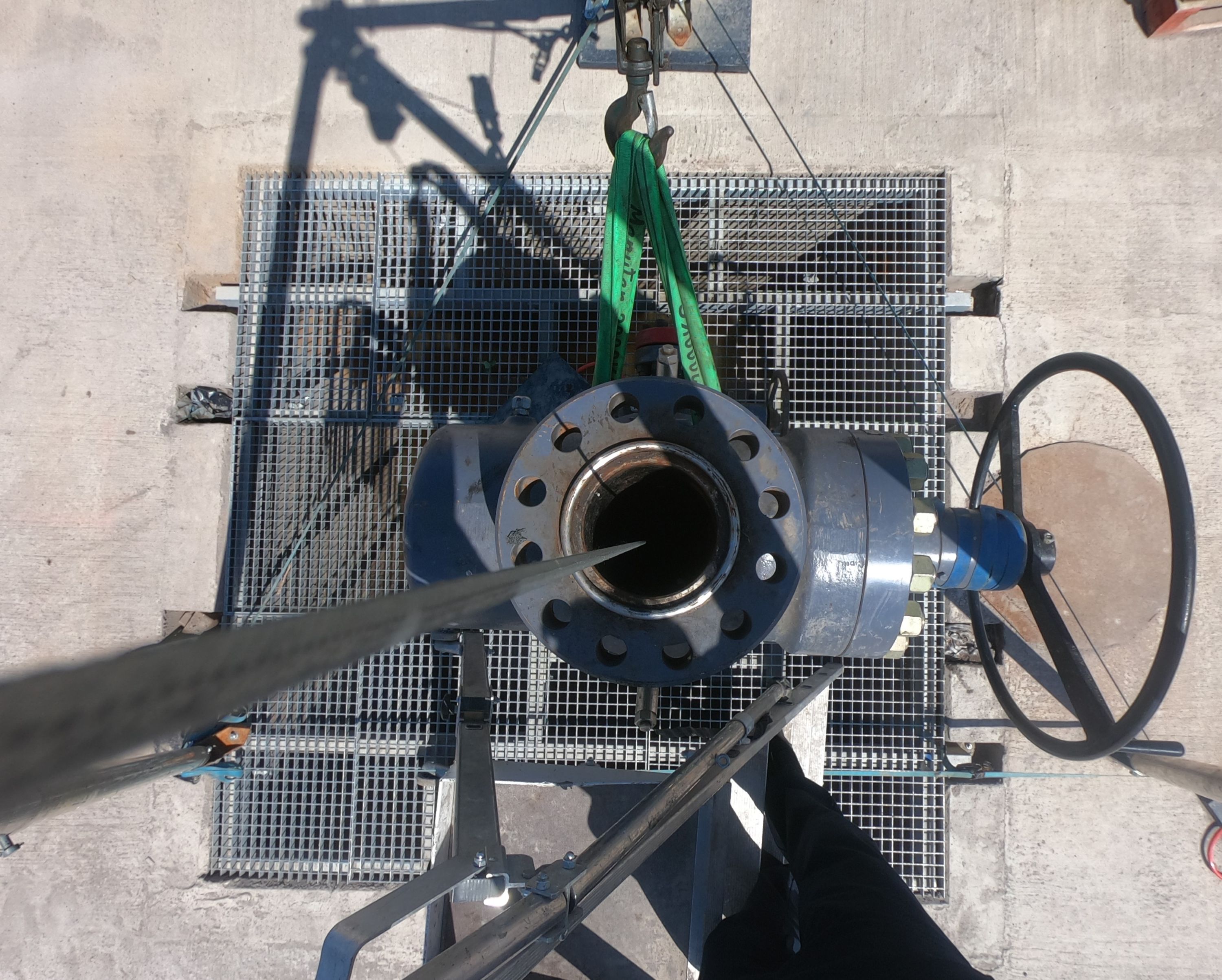
Traces of “white” hydrogen were detected during in Mai 2023 in a well at a depth of 1.100 metres in Folschviller (France). Exploration continued in early 2026 with the launch of a new exploratory well at Pontpierre in Lorraine (France), which reached a depth of 3.655 metres. While highly ambitious estimates are already circulating regarding the potential of the discovered reservoir, further studies are still required to assess its actual extent.
Why is there growing interest in natural hydrogen today?
Unlike industrial hydrogen, white hydrogen occurs naturally in the subsurface. It could represent an abundant, local, low-carbon energy source without the need for energy-intensive conversion. Initial analyses carried out by the Geological Survey of Belgium also suggest the possible presence of white hydrogen in the Belgian subsurface.
- heavy transport;
- balancing energy supply and demand, as a complement to seasonal storage.
Ten months ago, I was told that white hydrogen was a chimera. Today, it is a strategic opportunity that we must explore with caution, but also with method and ambition. In an uncertain geopolitical context, every local energy source matters.
Jean-Luc Crucke, minister for Climate and Environmental Transition
Belgium equips itself to assess its potential
A budget of 1.5 million euros, derived from emissions trading revenues, will finance the first phase of BE.Hydrogen. Its implementation has been entrusted to the GSB.
BE.Hydrogen, a scientific exploration programme for natural hydrogen
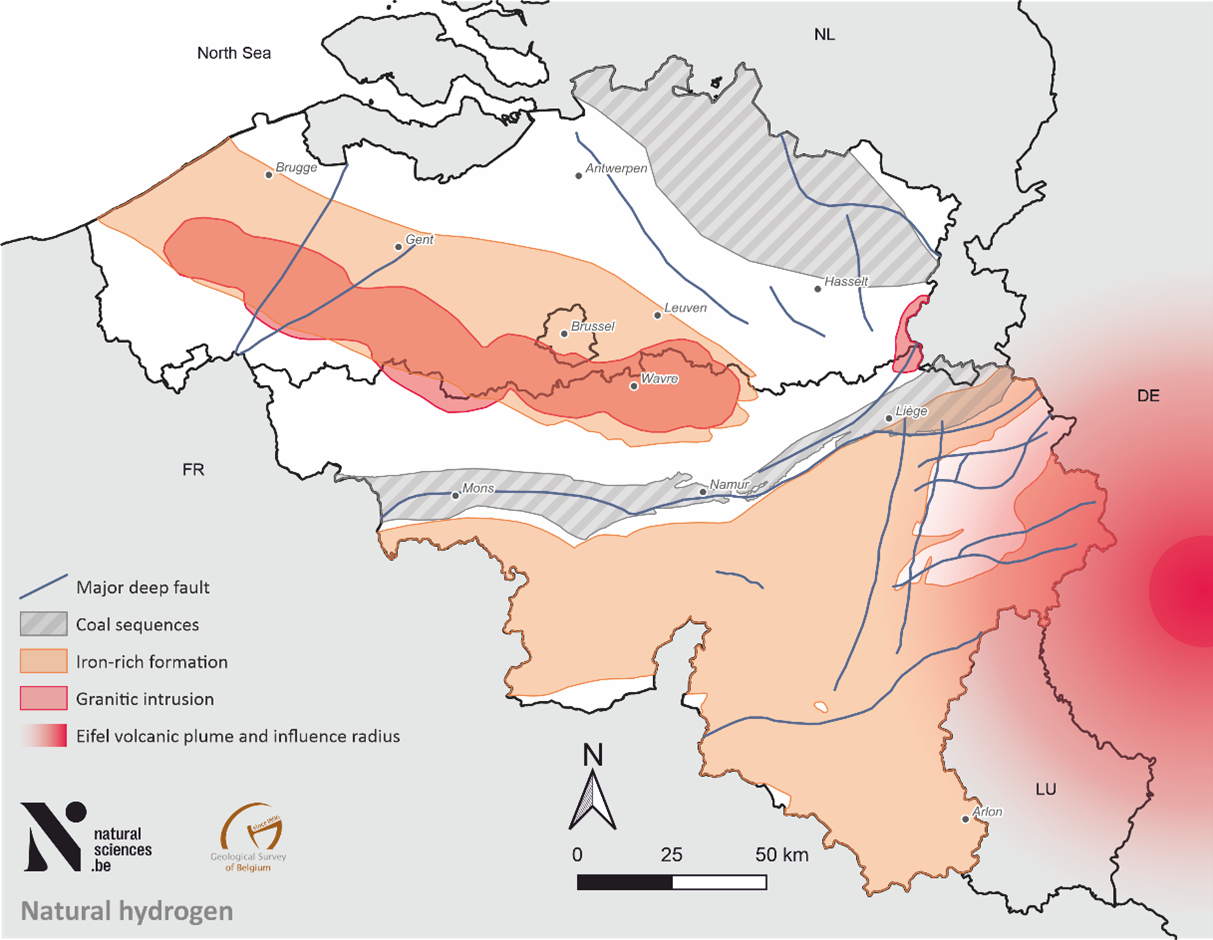
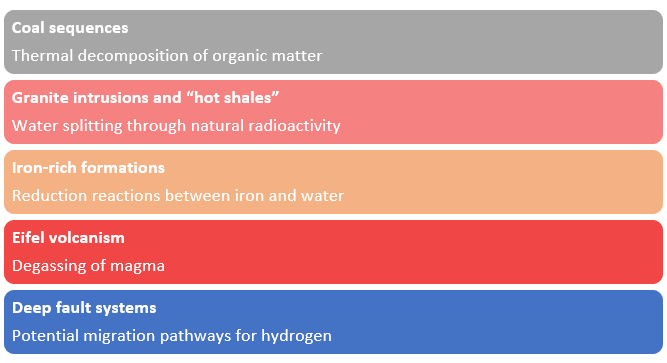
The Belgian subsurface shows exceptional geological diversity, with several potential hydrogen generation, including deep degassing, coal basins, oxidation reactions and radiolysis in deep granites. However, the presence of hydrogen in exploitable quantities still needs to be demonstrated. The aim of the BE.Hydrogen programme is to fill this knowledge gap and reduce uncertainties. This will ultimately enable targeted and controlled exploration. It is based on two parallel work streams:
1. Geological modelling: “Where is H₂ expected?”
Developing a geological model integrating hydrogen formation and migration mechanisms. Existing geological data will be used, as well as new data acquired through field research (see below). The model will cover depths beyond those included in current geological models for Belgium.
2. Field detection: “Where is H₂ detected?”
Developing analytical capabilities to detect natural hydrogen in the field, as well as collecting new data to validate the geological models developed within the programme. The methods used within BE.Hydrogen are non-invasive; this means that no new geological drilling operations will be carried out.
The scientific challenge is clear: to determine, on an objective basis, whether the conditions for the formation, migration and accumulation of natural hydrogen exist in the Belgian subsurface. With this national plan, Belgium is equipping itself to assess this in a rigorous, progressive and appropriately scaled manner.
Estelle Petitclerc and Kris Welkenhuysen, lead researchers of the programme.
The Geological Survey of Belgium has identified several deep subsurface structures (indicated on the map below) associated with the presence of natural hydrogen. As part of the research programme, our geologists will further investigate these different zones across Belgium.