Online sound archive centralizes Belgian bat sounds
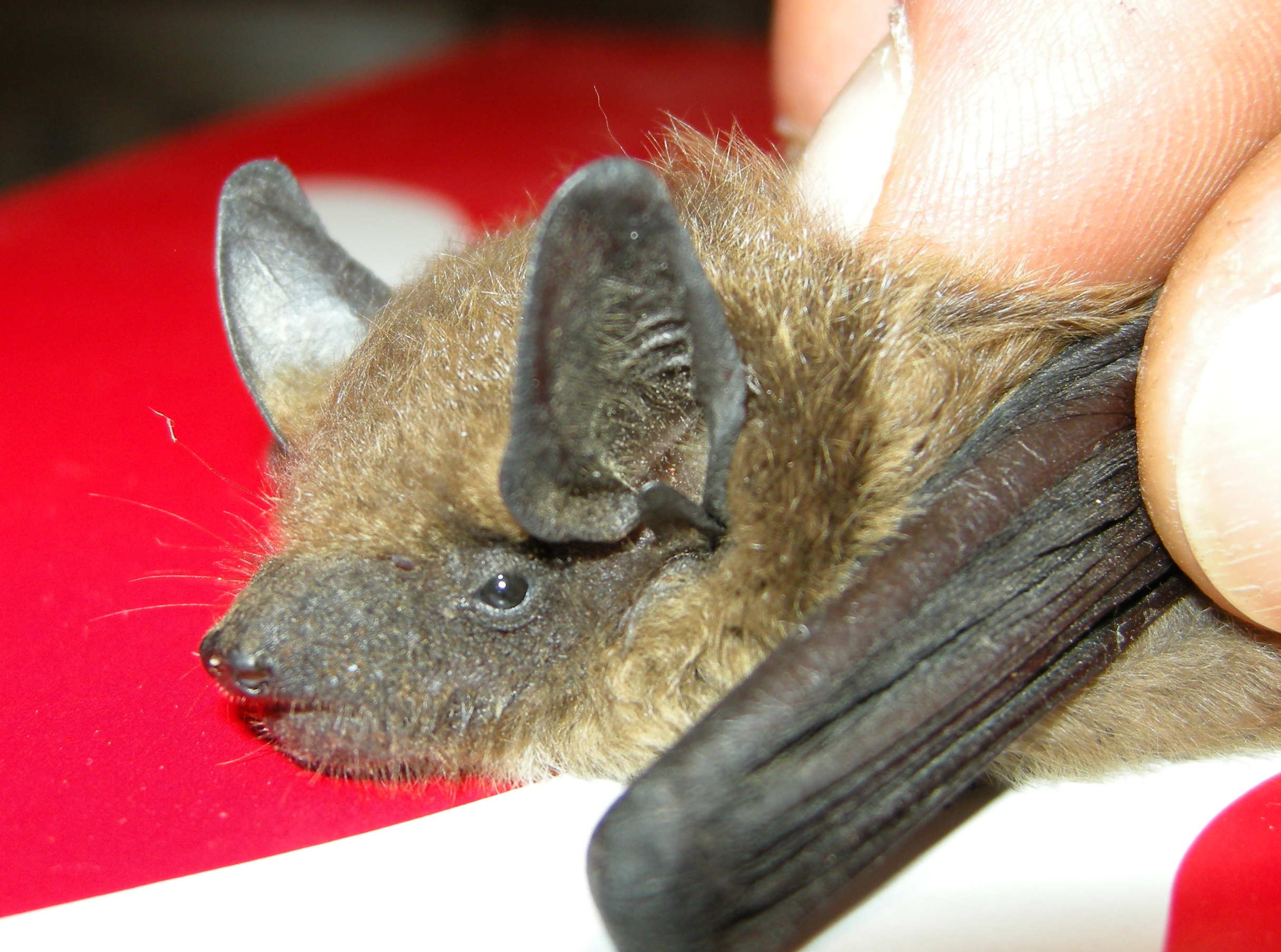
Researchers and nature enthusiasts can now listen to nearly two million Belgian bat recordings through the Digital Animal Sound Archive. The platform provides central access to this extensive sound material, supports scientific research, and encourages its use in environmental impact analyses and policy development.
Kelle Moreau
Like many other animal species (including whales, insects, birds, etc.), bats produce sound, partly to locate prey or for orientation. These are high-frequency ultrasonic sounds that are often inaudible or difficult for humans to hear, but can be recorded. Such recordings have great potential for research into the distribution and behaviour of various species, and for assessing the impact of human activities. This applies both on land and at sea, as bats are also observed in the marine environment.
Until now, the available Belgian bat sound files were stored only in the difficult-to-access archives of individuals or organizations. There, they ran the risk of disappearing in the short term, for example, because they were deleted after analysis. The Digital Animal Sound Archive (DASA) now brings the recordings together in a single, standardized, secure, and searchable system.

Also thanks to and for citizen scientists
DASA is more than a passive audio archive of professional scientists. After creating an account, anyone interested, both professionals and volunteers, can download and listen to audio recordings. Furthermore, every member can upload recordings to DASA. This allows citizen scientists to preserve their own recordings for the future, thereby expanding the collection and increasing its potential for scientific and policy-supporting applications. To date, 24% of observations have been collected by citizen scientists, a share that will undoubtedly increase in the future.
Furthermore, anyone can contribute to assigning recordings to one or more suspected species, or assign an alternative species option to an existing identification. Identifying which species a recording refers to is not always easy in the case of bats and requires extensive knowledge of the subject. Therefore, bat specialists are specifically engaged to validate observations, meaning they are assigned to the correct species with a high degree of certainty.
A wealth of information
"DASA currently bundles nearly two million bat detections by professional and citizen scientists. It's a unique database that future-proofs the application of observations and sound recordings for Belgian nature research," says project coordinator Robin Brabant of the Institute of Natural Sciences.
About half of these bat observations are linked to sound files. However, the remaining observations are also very valuable because they can be used to determine the distribution and trends of the various species.
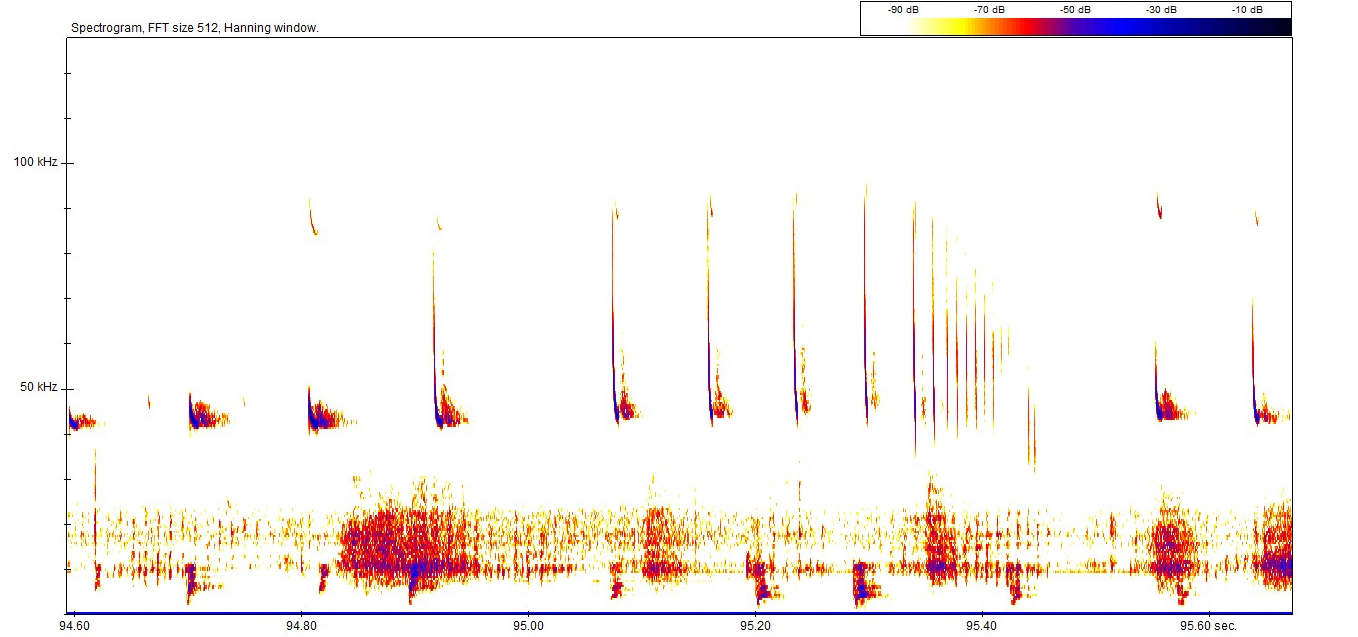
Bob Vandendriessche, chair of Natuurpunt's Bat Working Group, further elaborates on the added value of a dedicated platform like DASA: "Existing platforms like observation.org (waarnemingen.be in Dutch, observations.be in French) aren't designed to receive and share such massive datasets. While the number of individuals collecting acoustic data on a large scale may be relatively small, the data volume can quickly become very large. The size and importance of the accompanying metadata is also much greater than with other biological data, making a separate platform desirable."
DASA is the first Belgian platform to structure bioacoustic data according to international standards and link it to international biodiversity platforms such as the Global Biodiversity Information Facility (GBIF). The infrastructure is also scalable. In addition to bat sound recordings, recordings from other animal groups, such as marine mammals and insects, will later be added. However, the focus remains on Belgian data.
The Digital Animal Sound Archive (DASA) project is a collaboration between the Institute of Natural Sciences, Natuurpunt, and Natagora. The platform was developed with funding from the Belgian Science Policy (BELSPO).
All data comply with the FAIR principles (Findable, Accessible, Interoperable, Reusable) and the European Open Data Directive, making them usable worldwide for science, policy and education.