News
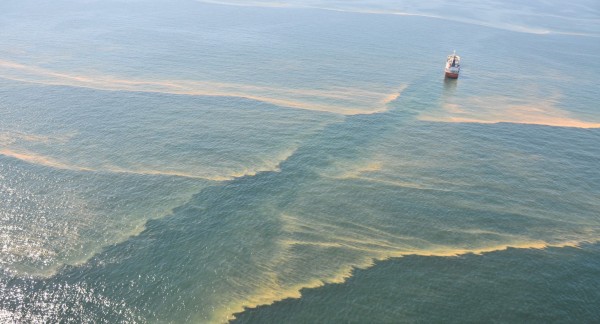
Climate change and environmental pressures pose growing risks to the Belgian North Sea and various sectors
09/11/2026
In a newly published report, the Institute of Natural Sciences and the Climate Risk Assessment Center (CERAC) warn about the significant impacts of climate change on the Belgian part of the North Sea. Combined with the many human activities taking place in our sea, climate change is exerting a strong influence on marine habitats, species, and the services they provide to society.
When nature reveals itself through music - roaming concert in our museum halls November 29th
05/11/2026
A roaming concert through the museum halls of the Institute of Natural Sciences, where music and words come together to celebrate the extraordinary diversity of the natural world.
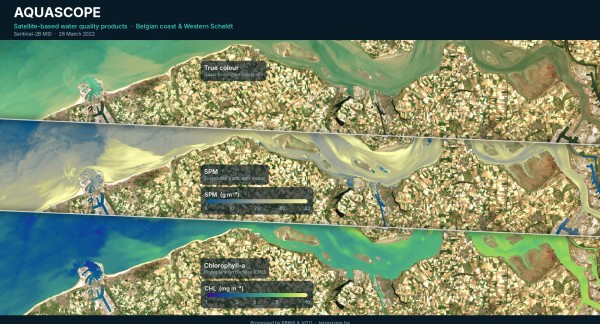
New satellite-based water quality data available
04/11/2026
New satellite-based water quality products for the Belgian part of the North Sea are now publicly available. For this purpose, the Institute of Natural Sciences, in collaboration with VITO, expanded the existing Terrascope portfolio from land and atmosphere to the sea, covering offshore waters, coastal zones and the ports of Zeebrugge, Ostend and Nieuwpoort.
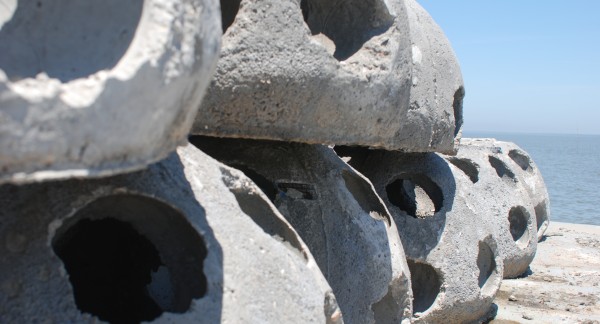
A plea for thoughtful, nature-inclusive design at sea
30/10/2026
This spring, the ICES Journal of Marine Science published a review, headed by Steven Degraer of the Institute of Natural Sciences, regarding the use of nature-inclusive design to enhance the ecological value of infrastructure at sea. Although such innovative solutions are generally viewed positively, the paper highlights the need for more concrete goals and monitoring targets for projects to deliver on their promises.
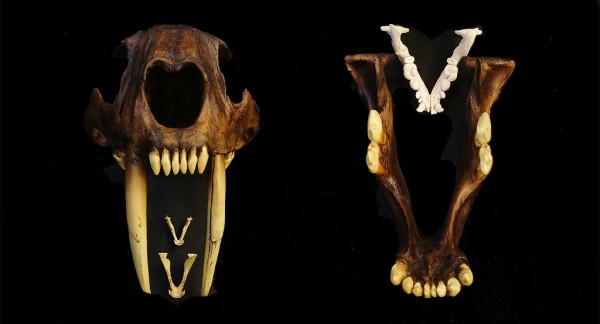
Cutting or grinding? New study reveals hidden trade-off in mammalian teeth
27/10/2026
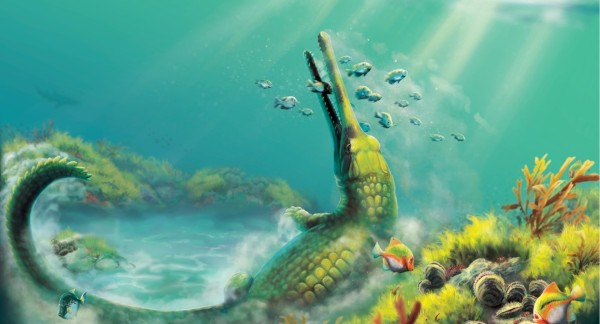
Long-snouted crocodilians may have crossed the Atlantic Ocean 80 million years ago, CT scans reveal
30/09/2026
Don't underestimate ancient crocodiles! Researchers used CT scanners to look inside the skulls of fossil crocodilians that lived roughly 80 to 60 million years ago. Inside those skulls, they discovered clues about how these long-extinct animals lived. They may even have been able to cross the Atlantic Ocean of that time.
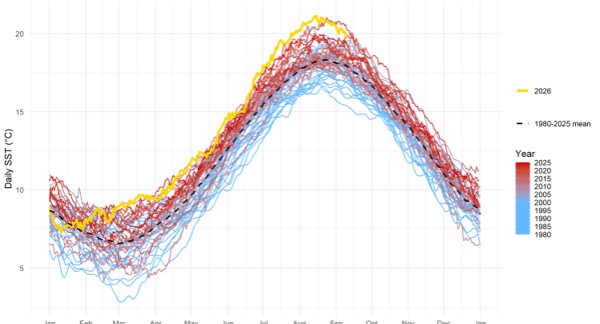
Summer 2026 breaks Belgian sea temperature records
24/09/2026
This summer, sea surface temperatures off the Belgian coast reached their highest levels in the past 46 years. The prolonged marine heatwave is raising serious concerns among researchers about its potential impacts on ecosystems in the Belgian part of the North Sea.
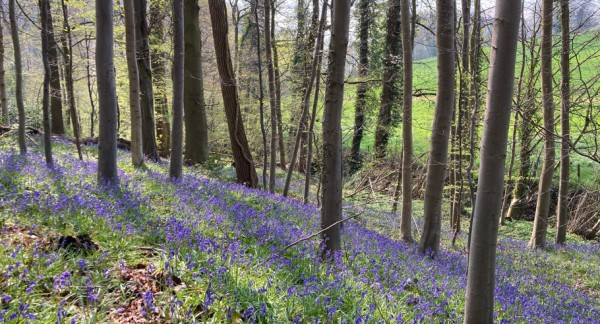
Climate change leads to hidden biodiversity loss in Flemish forests
09/09/2026
International Microorganism Day
06/09/2026
Discover the invisible life that surrounds us through fun, hands-on activities for all ages — from painting with bacteria to building virus origami and playing interactive microbiology games. Saturday 19 September in our museum halls.
North Sea aerial surveillance in 2025
01/09/2026
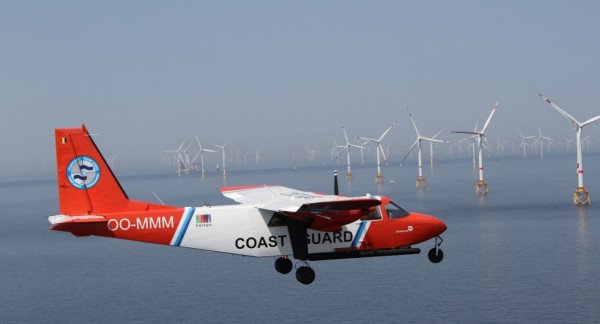
In 2025, the Institute of Natural Sciences documented 96 cases of marine and atmospheric pollution with the Coast Guard aircraft. The remaining activities included, among others, flights carried out for broader maritime surveillance tasks in support of Coast Guard partners, fisheries inspections, and marine mammal surveys.