Oldest baboons in Egypt reveal early trade routes to the south
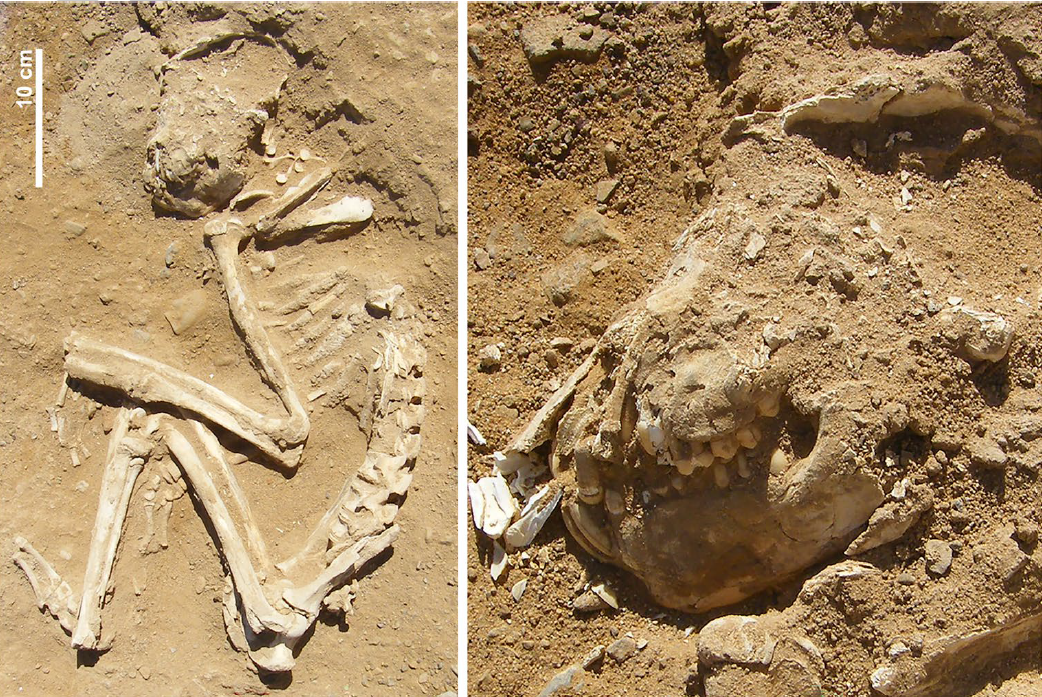
More than 5,500 years ago, baboons were transported into Egypt from regions far to the south via long-distance trade routes. This is revealed by new research on animal skeletons found at Hierakonpolis, a key Predynastic site in Upper Egypt. The study shows that not one but two different baboon species were present. “The baboon remains from Hierakonpolis represent the earliest physical evidence of these animals in Egypt,” says archaeozoologist Wim Van Neer.
Researchers analysed the remains of twenty baboons dating from 3700–3500 BCE, found in the elite cemetery HK6. Since baboons are not native to Egypt, they must have been imported.
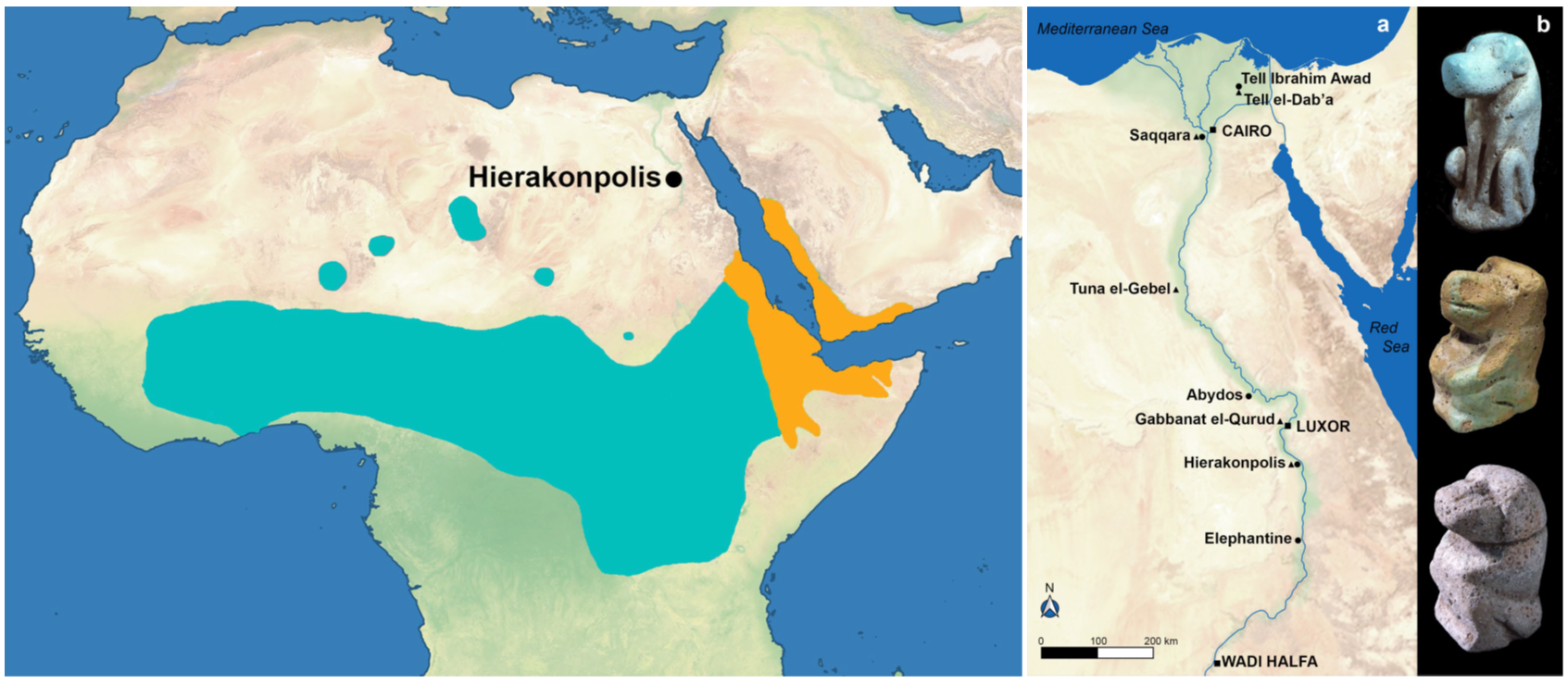
“Based on the geographic distribution of the two species, we were able to determine their origin and reconstruct the routes by which they were brought to the Nile,” Van Neer explains. The animals came from regions far to the south and were transported over long distances. They likely did not reproduce locally, meaning a continuous supply was required.
The study also resolves a long-standing debate. “The skeletons were first identified as hamadryas baboons, and later as olive baboons,” says Van Neer. By studying more than fifty modern skulls, the researchers identified reliable distinguishing features.
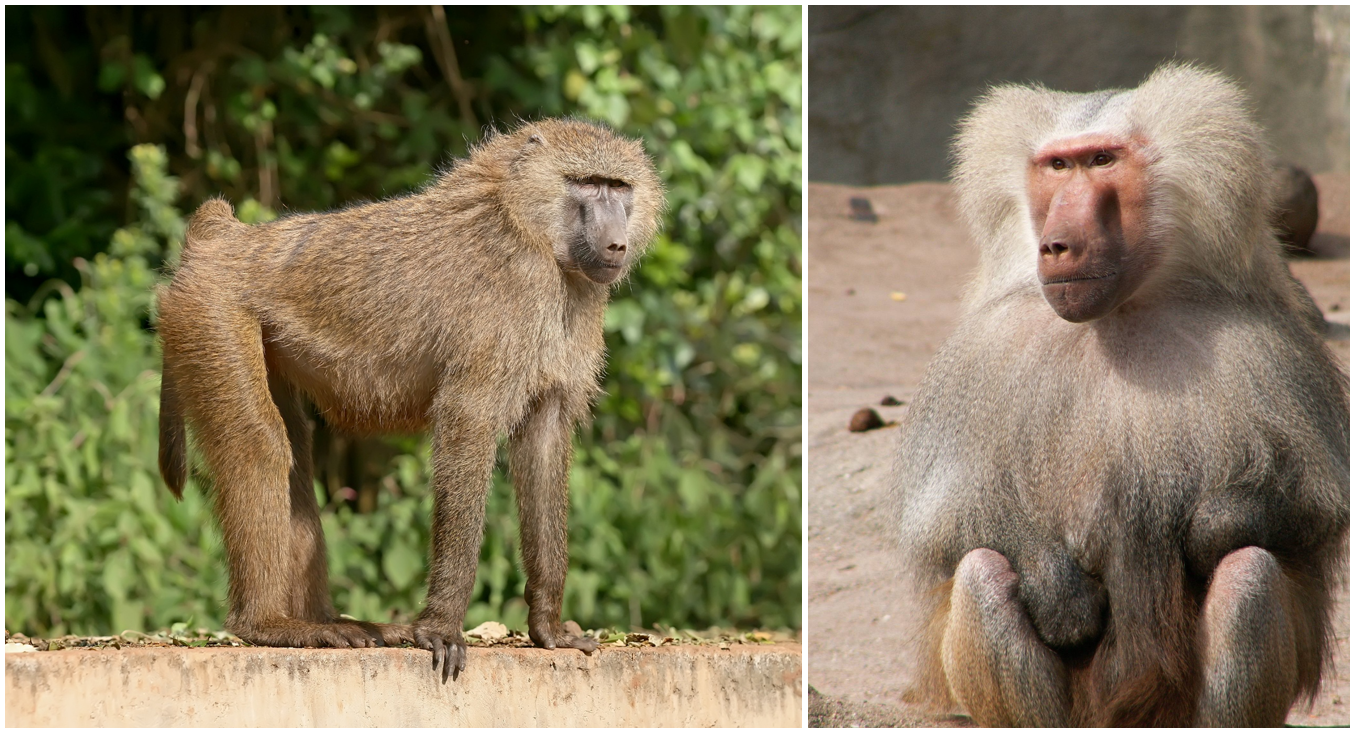
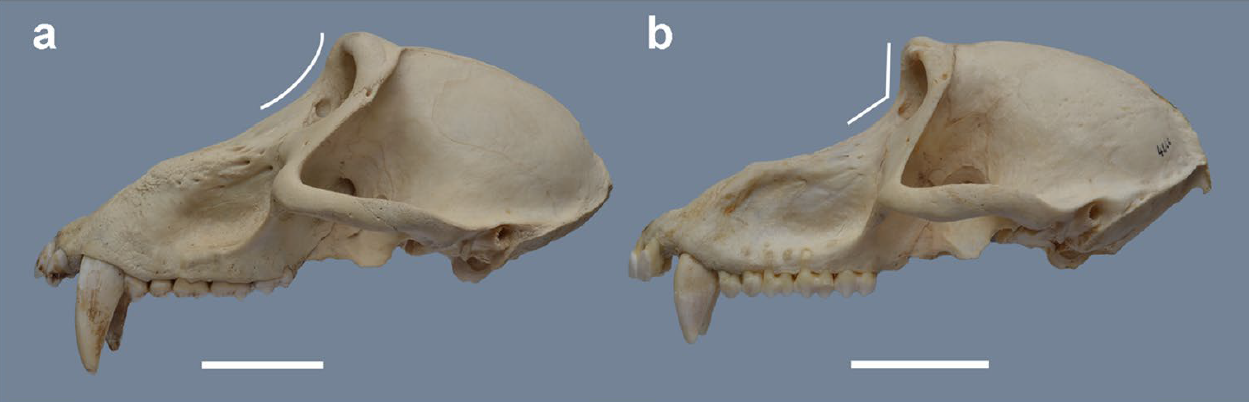
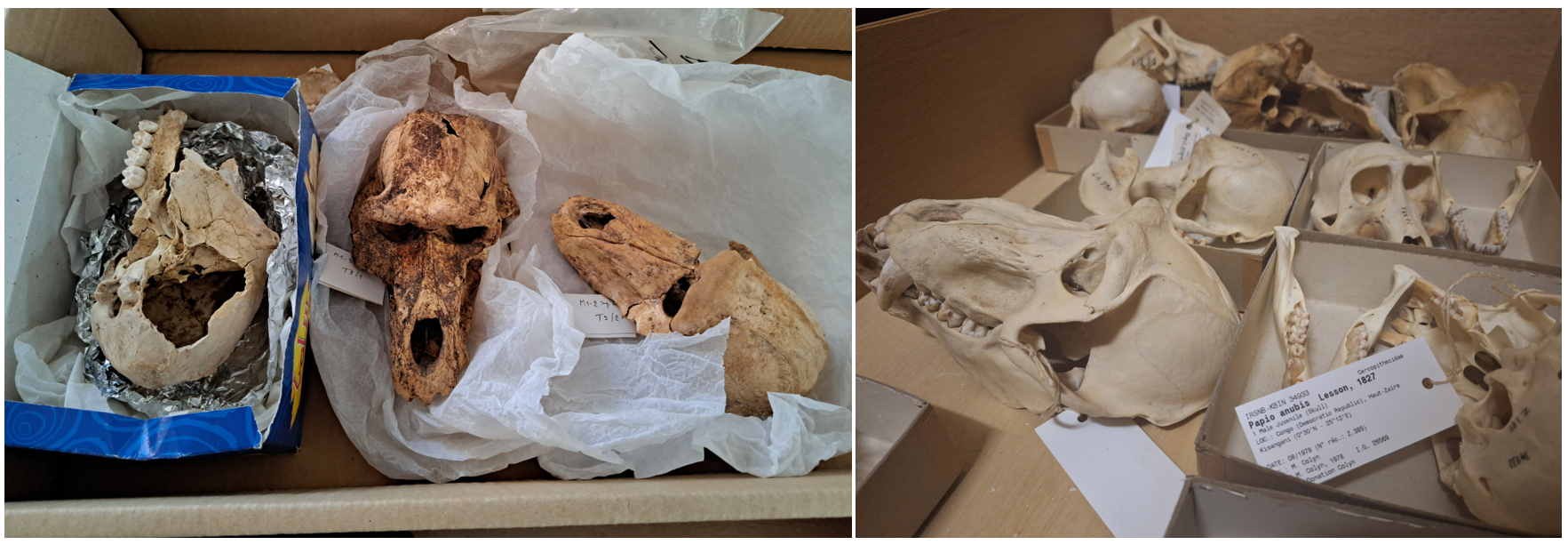
“The angle between the eye sockets and the snout proved to be key. In olive baboons, the transition is smoother and the snout relatively longer.” The results confirm the presence of both species: the hamadryas baboon (Papio hamadryas) and the olive baboon (Papio anubis). For this study, researchers used collections from the Institute of Natural Sciences, the AfricaMuseum, and the Museum Koenig in Bonn.
Baboons as status symbols
Hierakonpolis (ancient Nekhen), located about 100 kilometres south of Luxor, was one of the most important centres in Egypt during the fourth millennium BCE. The site offers unique insights into both daily life and elite society. Archaeologists have uncovered one of the earliest known breweries there, along with large quantities of food remains.
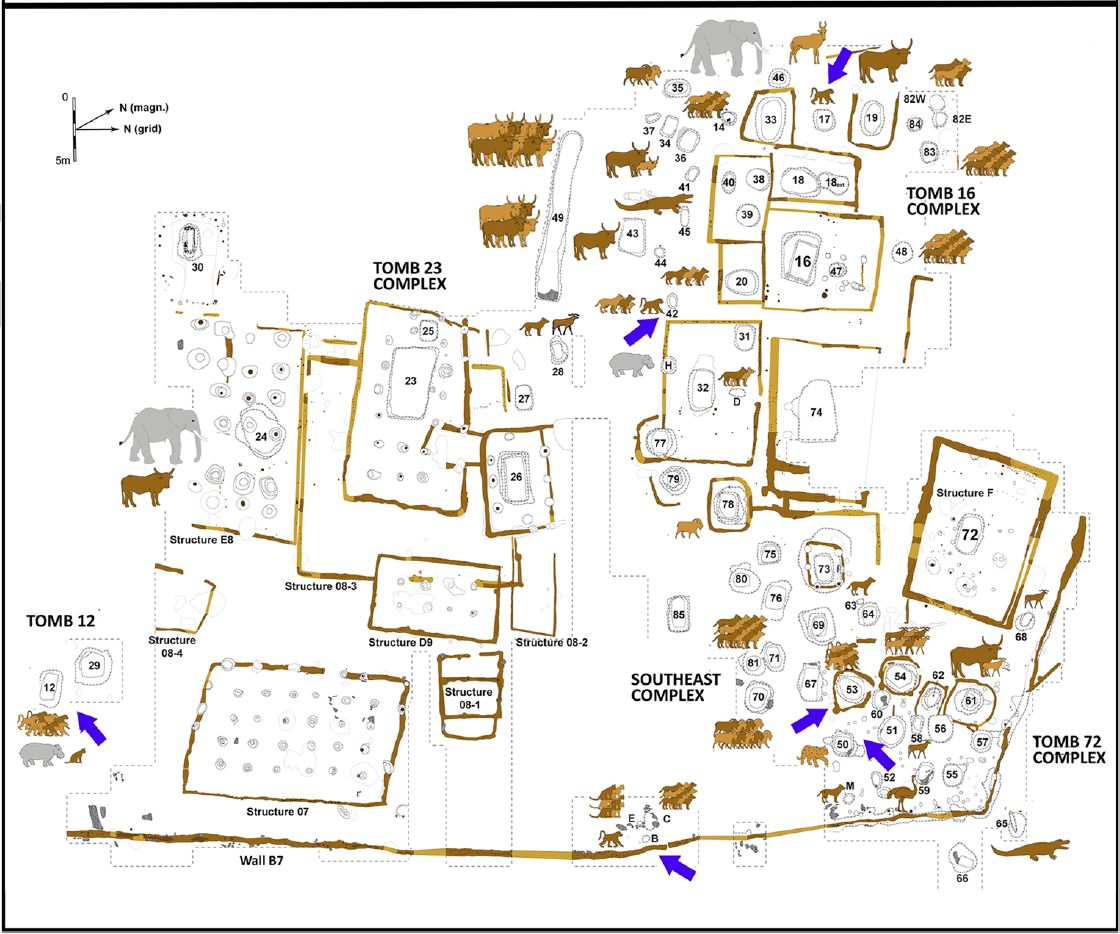
In the HK6 elite cemetery, nearly 100 humans and more than 150 animals have been excavated. These include domesticated species such as cattle and dogs, as well as wild animals like elephants, hippos, and baboons. These animals were deliberately buried around elite tombs.
Baboons held a special place in ancient Egypt. Although not native, they frequently appear in art and religion, particularly in association with the god Thoth. They were also kept as exotic animals and status symbols. “In elite tombs, animals were carefully selected to display status and power,” says archaeozoologist Bea De Cupere. “Exotic species like baboons must have made a strong impression.”
The discovery of actual baboon skeletons is therefore exceptional, as most evidence comes from depictions and figurines. Baboons were found in at least six different tombs, sometimes alone and sometimes in groups of up to eight individuals. Notably, they are among the few wild animals occasionally buried alongside humans.
Stress and rickets
The skeletons also provide insights into the animals’ lives. One baboon shows grooves in its tooth enamel. “These lines form during tooth development and indicate stress, likely related to capture and transport to Egypt,” says Van Neer. The animal was about one to two years old when captured and lived to around seven years.
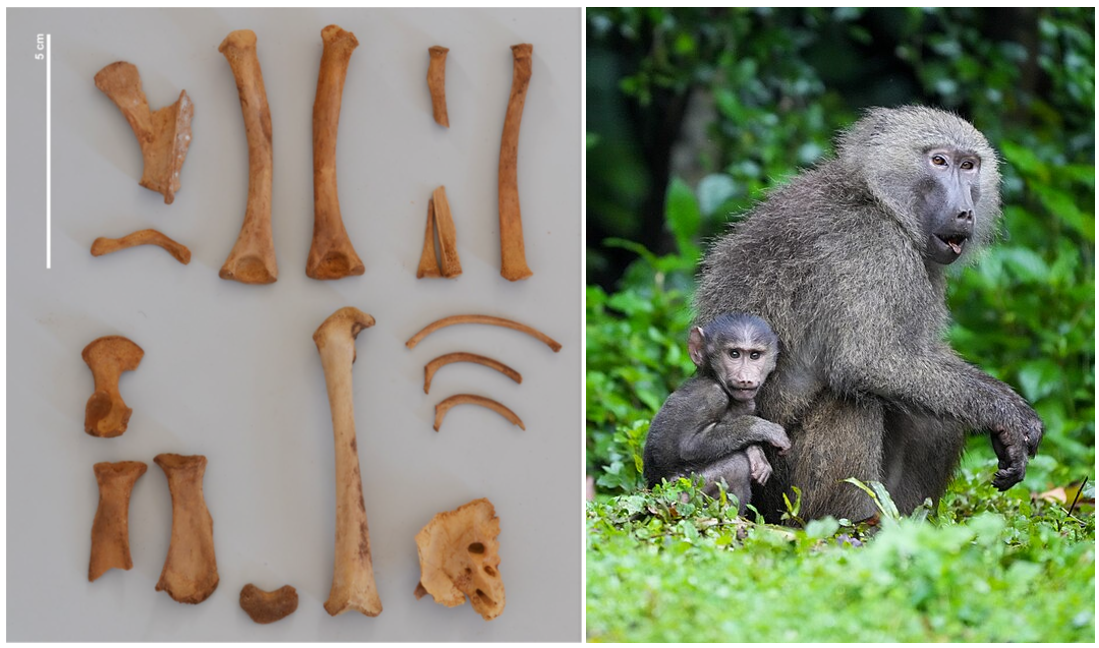
Another case concerns a young individual about six months old, the youngest identified. Its humeri are curved, indicating rickets, probably caused by poor nutrition. “This may have resulted from separation from its mother during capture or shortly after arrival,” Van Neer explains.
Further research
The exact origin of the baboons remains uncertain. It is currently inferred from the natural distribution of the species and archaeological knowledge of ancient contacts. To refine this, researchers are analysing strontium isotopes in tooth enamel. These chemical signatures vary by region and can reveal geographic origin.
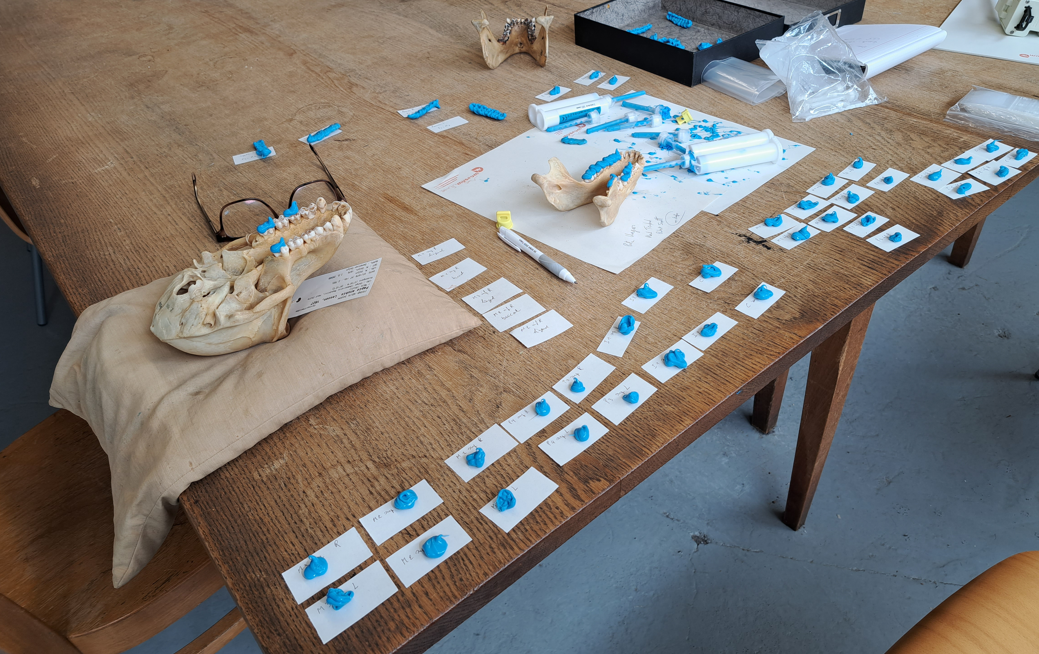
Silicone casts of the teeth have also been made to examine microscopic traces of stress and wear invisible to the naked eye. These analyses will help reconstruct individual life histories and health, providing deeper insight into early trade networks.
The scientific article was published in the journal Archaeological and Anthropological Sciences.