Belgian–Thai research team identifies a new gecko species: the Black Tokay
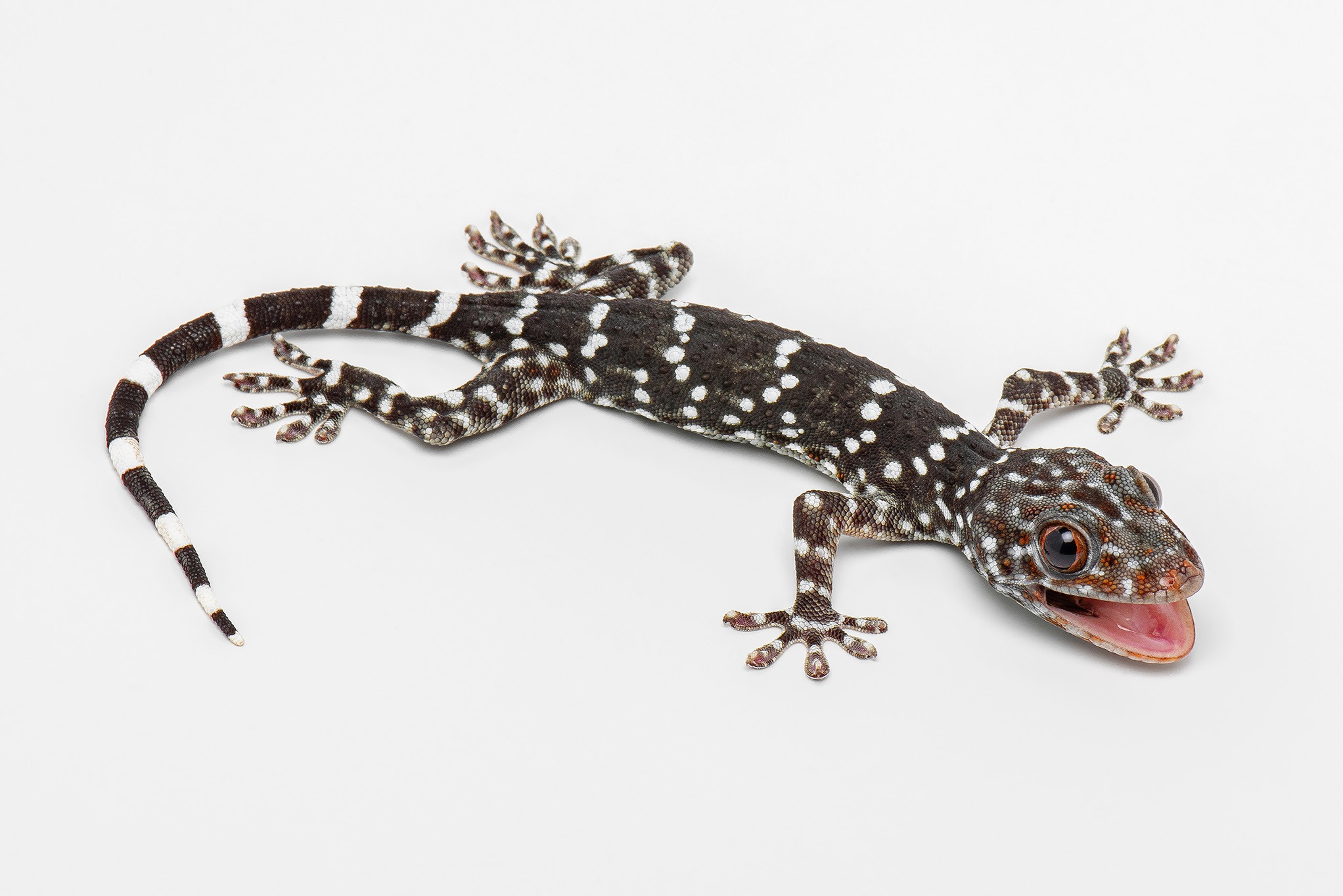
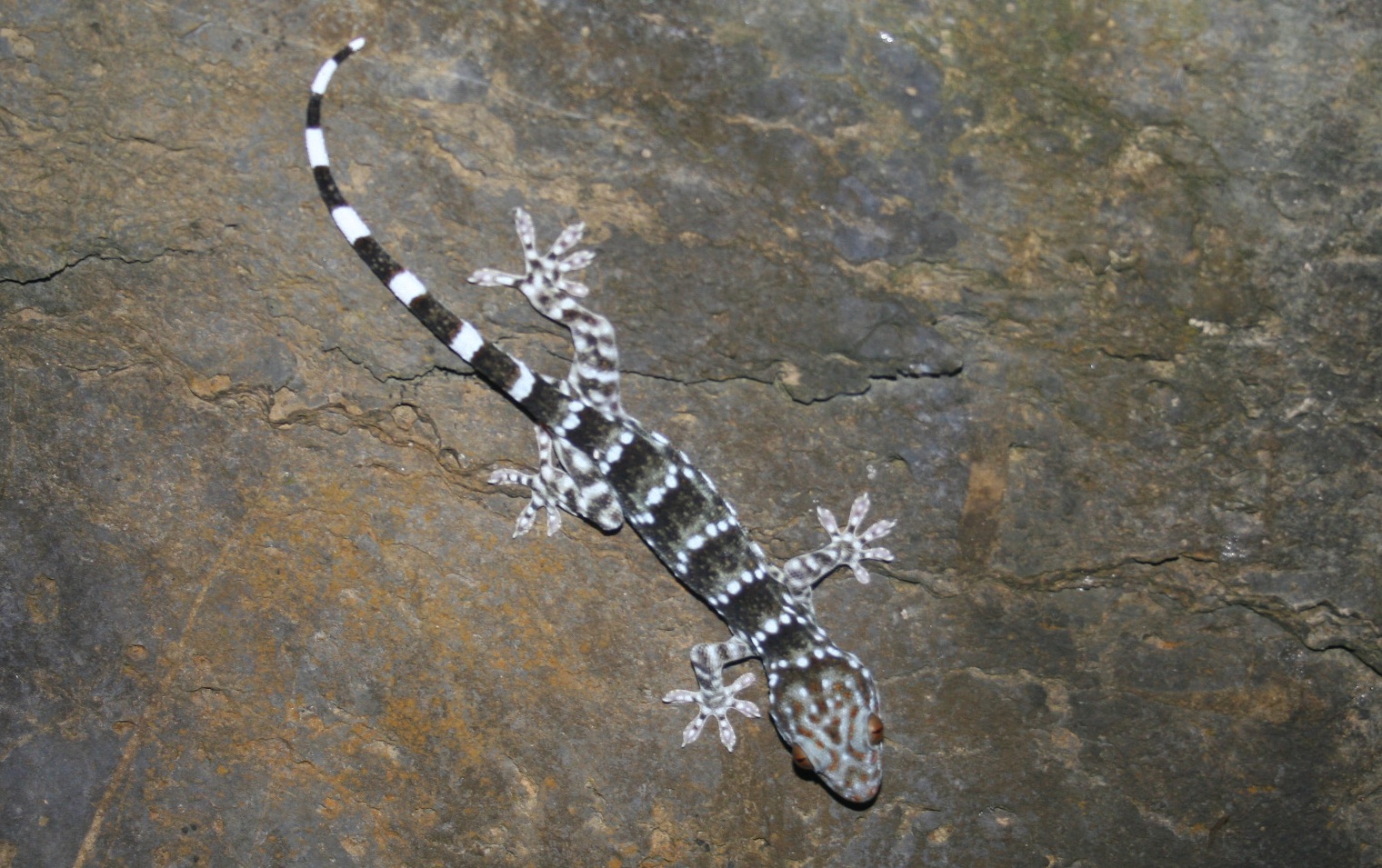
A team of Belgian and Thai biologists has described a new species of gecko. The Black Tokay (Gekko dam) lives in the border region between Thailand and Malaysia. It was long considered to be a dark-coloured variant of the common Tokay gecko, but has now been recognised as a distinct species. This dark-coloured gecko was distinguished thanks to morphological and genetic analyses. Unfortunately, its striking appearance also makes it attractive for the pet trade.
Florent Mages
The research team, which includes Olivier Pauwels, curator of the vertebrate collections at the Royal Belgian Institute of Natural Sciences, named the species Gekko dam, with “dam” meaning dark or black in Thai.
With this discovery, the number of Tokay species in Thailand rises to eight, four of which are endemic (unique to Thailand): Gekko nutaphandi, G. pradapdao, G. shiva and G. siamensis. All these species are often found in syntopy—at very close distances—with Gekko gecko.
Why did this species remain undescribed for so long?
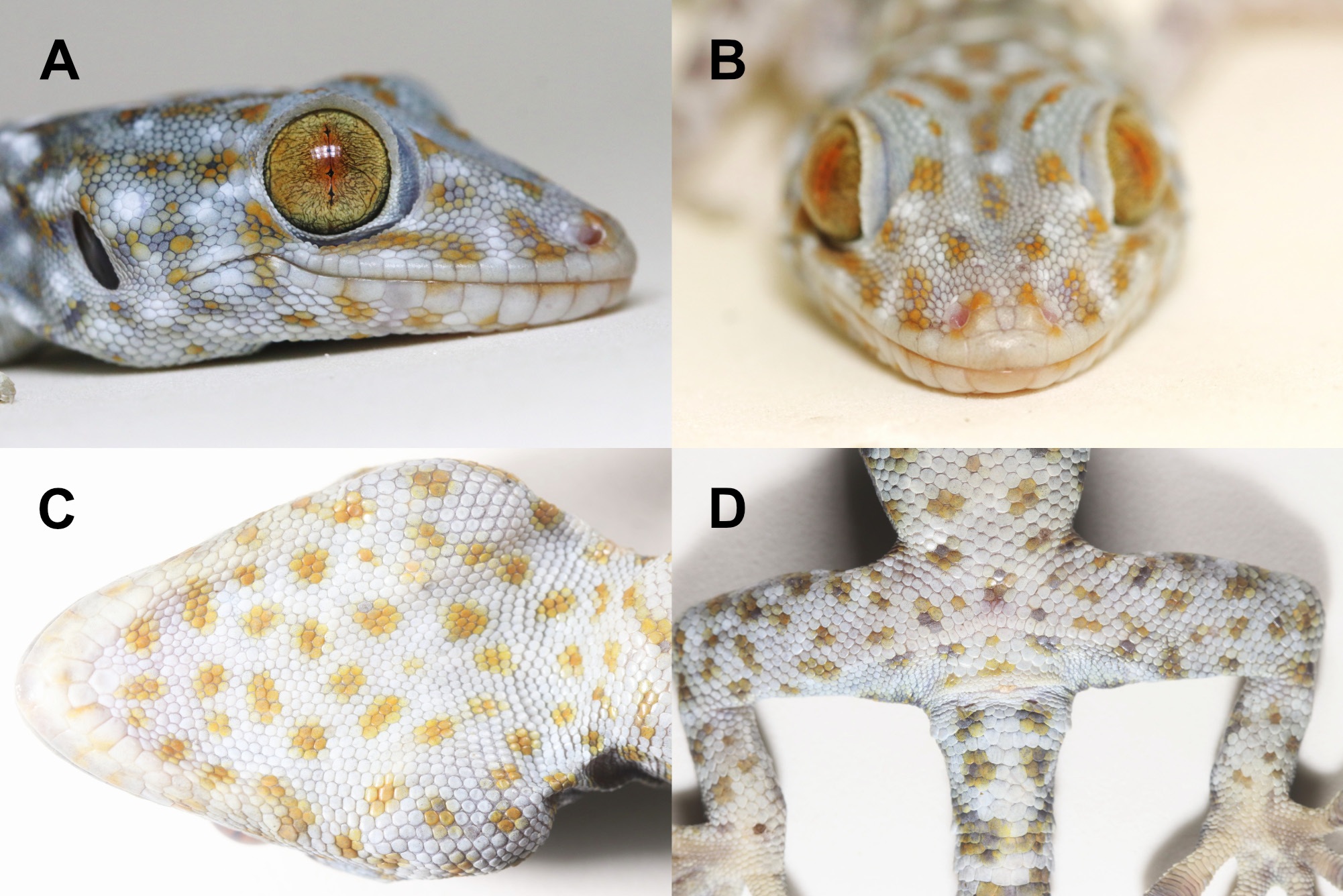
During the first field studies, the new species was confused with Gekko gecko due to their strong morphological similarities and overlapping distribution ranges. Further analyses, however, revealed clear differences, both genetically and morphologically. These differences support the recognition of Gekko dam as a separate species.
It is remarkable that a species of this size has only now been recognised. However, once Gekko dam is preserved in ethanol, it loses its dark colour and comes to resemble Gekko gecko very closely. It is therefore likely that some museum specimens were mistakenly attributed to the common species. Only a detailed study of the full scalation and the colour pattern allows the two species to be distinguished when preserved.
Is legal protection necessary?
The large body size and contrasting pattern of Gekko dam make the species attractive for the local and international pet trade. This was already the case for another species recently described by the same team, Gekko pradapdao. The Thai word pradapdao means “Milky Way”, referring to the beautiful pattern of bright white spots that made the animal popular on the pet market. Legal protection could be considered once biologists have carried out field surveys in areas where the species may occur, determined whether it is present in protected areas, and gained a better understanding of its ecological requirements.
The study was published in the scientific journal Zootaxa.